
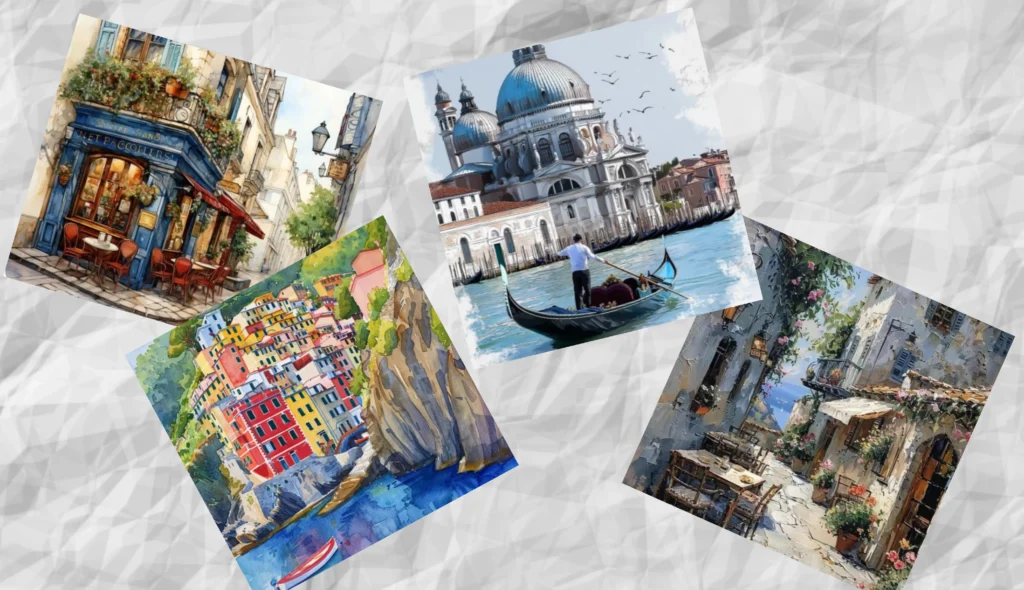
Europe is full of world-famous destinations, but its true beauty often lives far from the crowds. Locals quietly treasure the towns, islands, mountains, and villages that lie beyond the famous capitals and crowded resorts. These locations maintain genuine culture, natural landscapes, relaxing travel times, and a feeling of intimacy that is uncommon in mainstream tourism.
In 2026, travelers increasingly look for meaningful experiences rather than popular checklists. This guide highlights secret european hidden gems only locals know about, but tourists often miss.
1. Lagos, Portugal
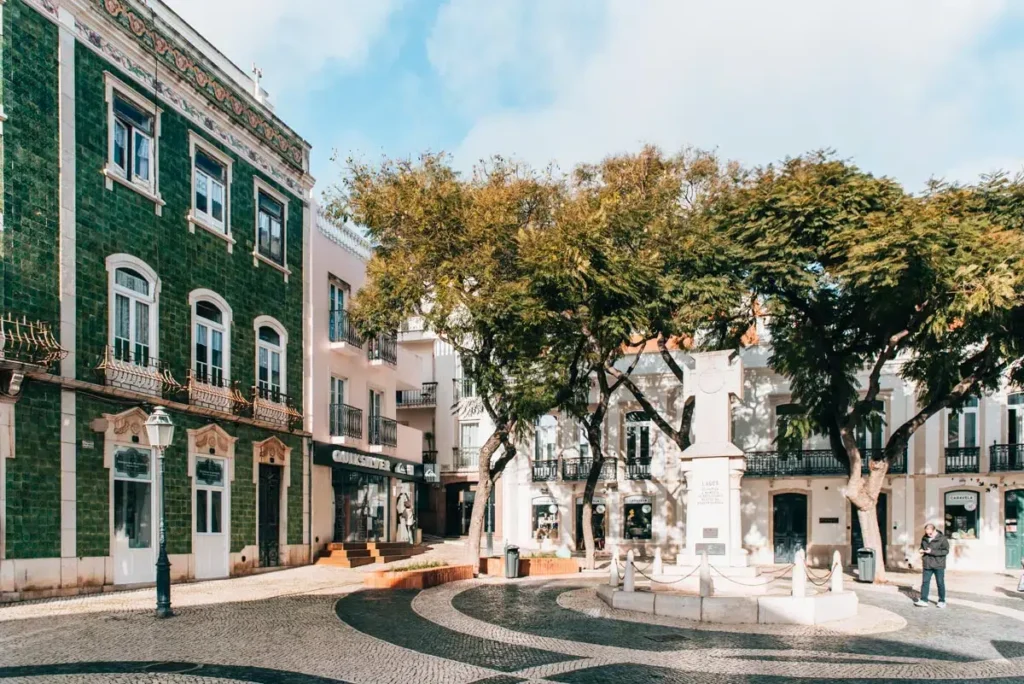
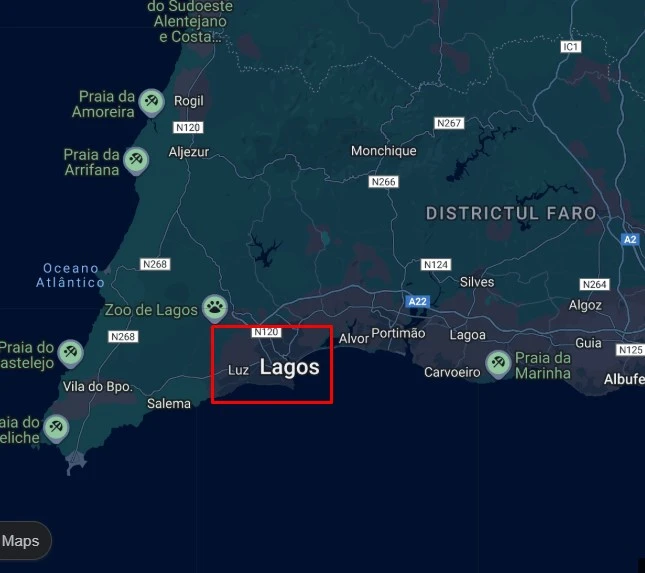
One of the most picturesque coastal cities in the Algarve is Lagos.
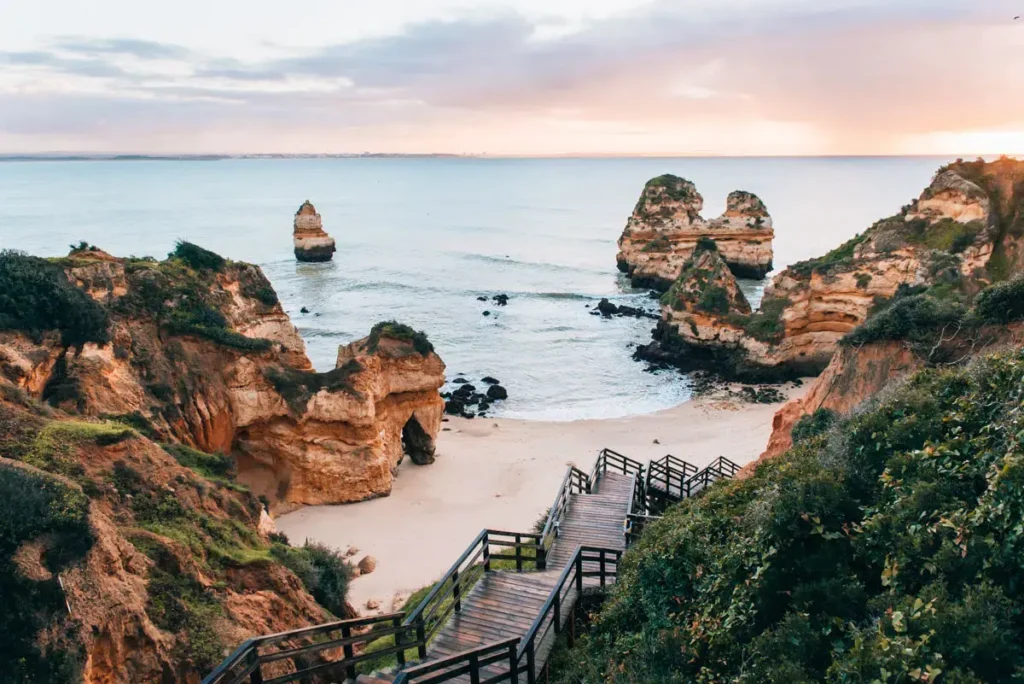
Golden cliffs, secret caverns, and glistening water sculpt the coastline. Among the most photographed natural landmarks in Europe are Praia do Camilo and Ponta da Piedade.
Lagos continues to be loved for its welcoming environment, surfing culture, and stunning sunsets. Despite mild tourism, the town still preserves its authentic charm.
2. Puglia, Italy
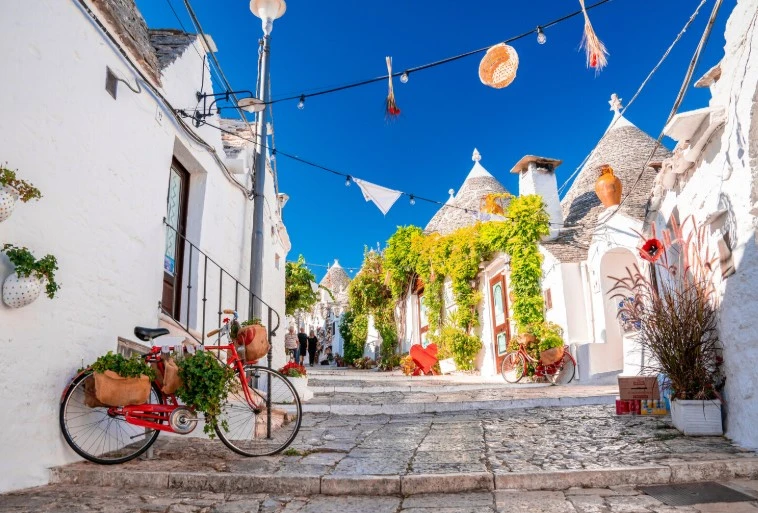
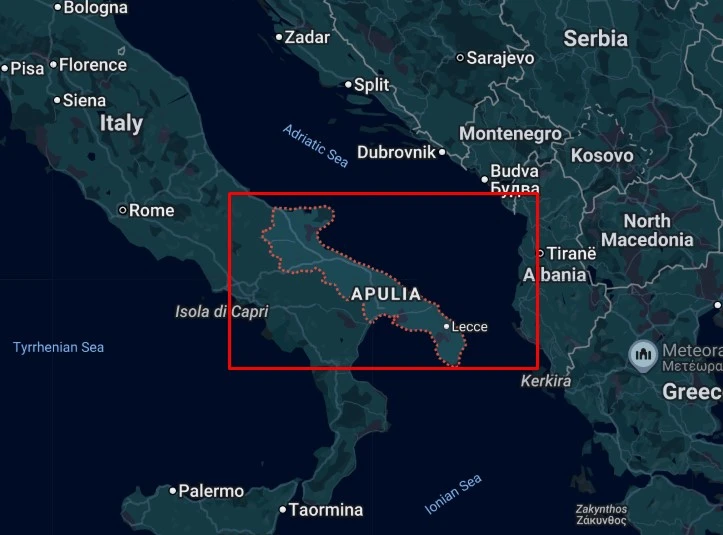
Puglia is southern Italy at its most authentic: whitewashed towns, dramatic coastlines, olive groves and a laid-back Mediterranean lifestyle.
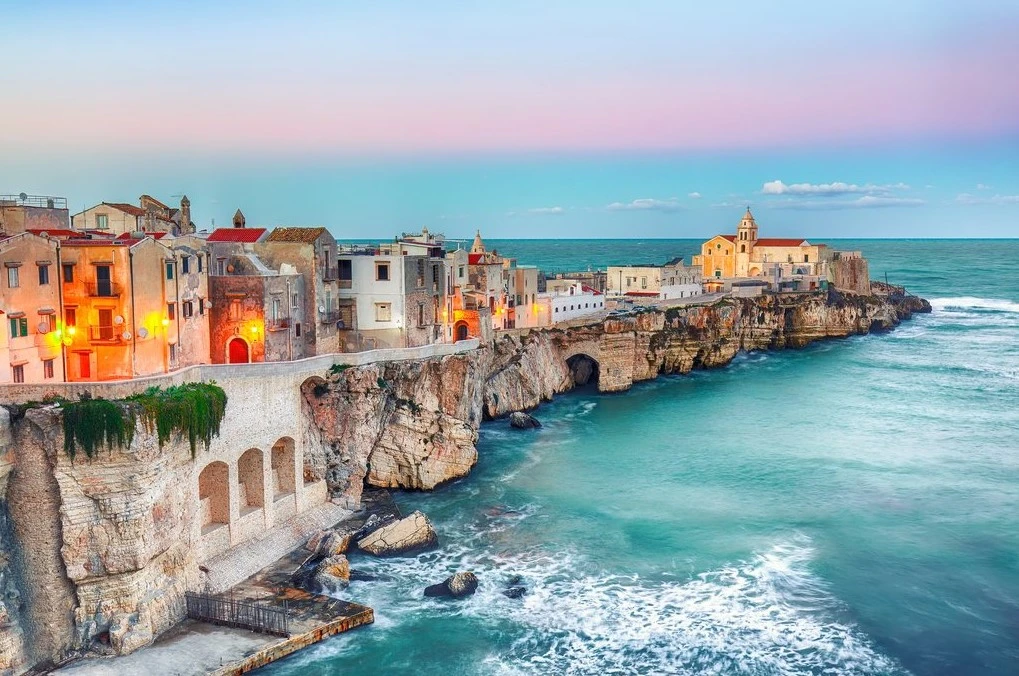
Ostuni shines with its hilltop white city. Polignano a Mare offers cliffside views directly above the Adriatic. Alberobello is famous for its unique trulli houses.
Locals value the simple food, excellent beaches and peaceful vibe that makes Puglia a perfect slow-travel destination.
3. La Spezia, Italy
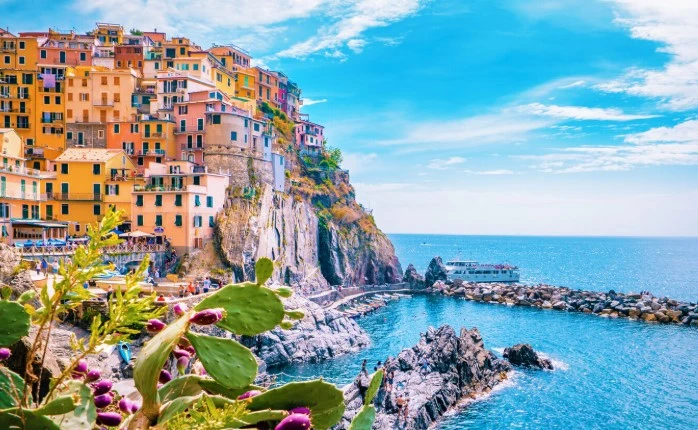
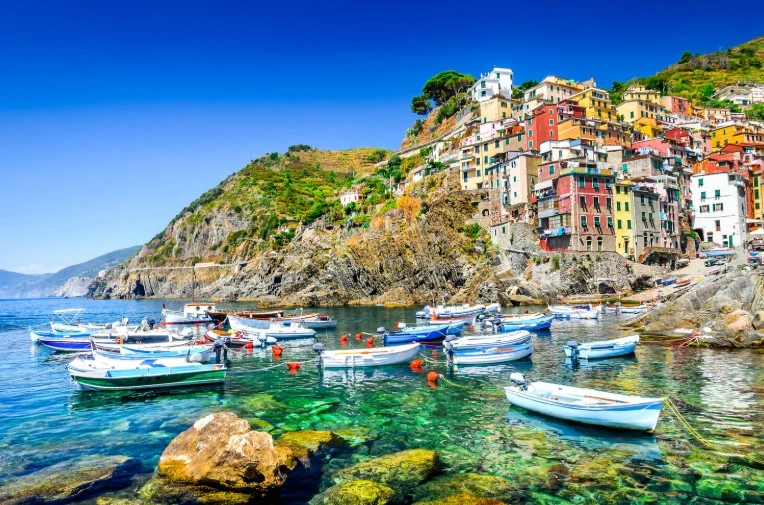
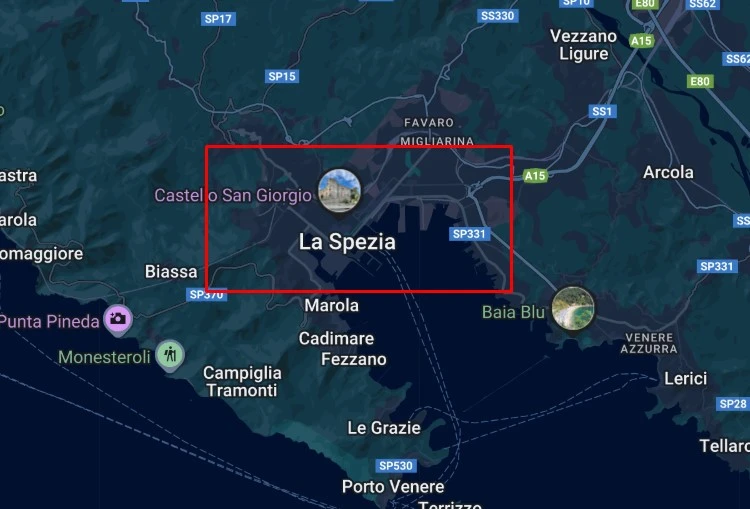
Locals adore La Spezia for its peaceful ambiance and genuine Ligurian culture, despite the fact that it is frequently overlooked.
With fewer tourists and more traditional dining options, it’s the perfect starting point for exploring Cinque Terre. Narrow lanes that lead to the sea, small bakeries, family-run trattorias, and pastel buildings can all be found in the old town.
4. Tromsø, Norway
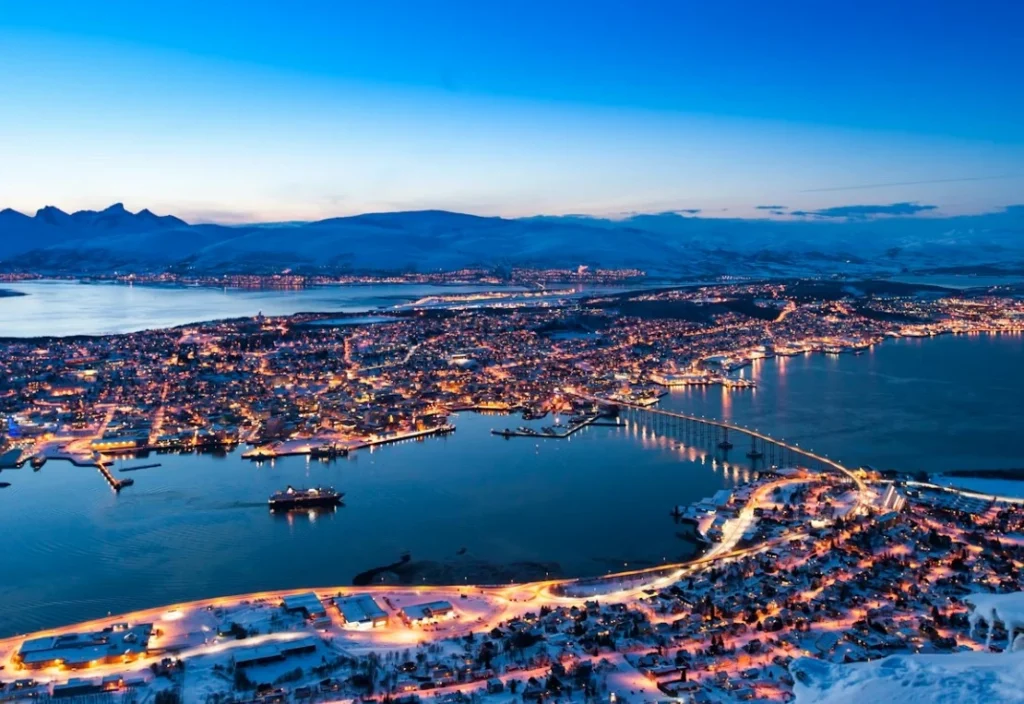
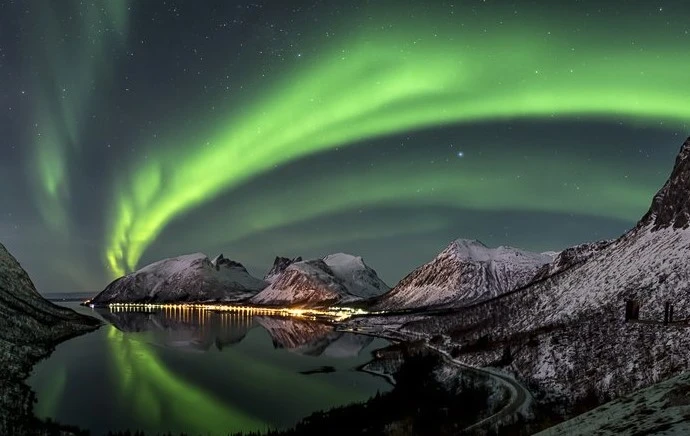
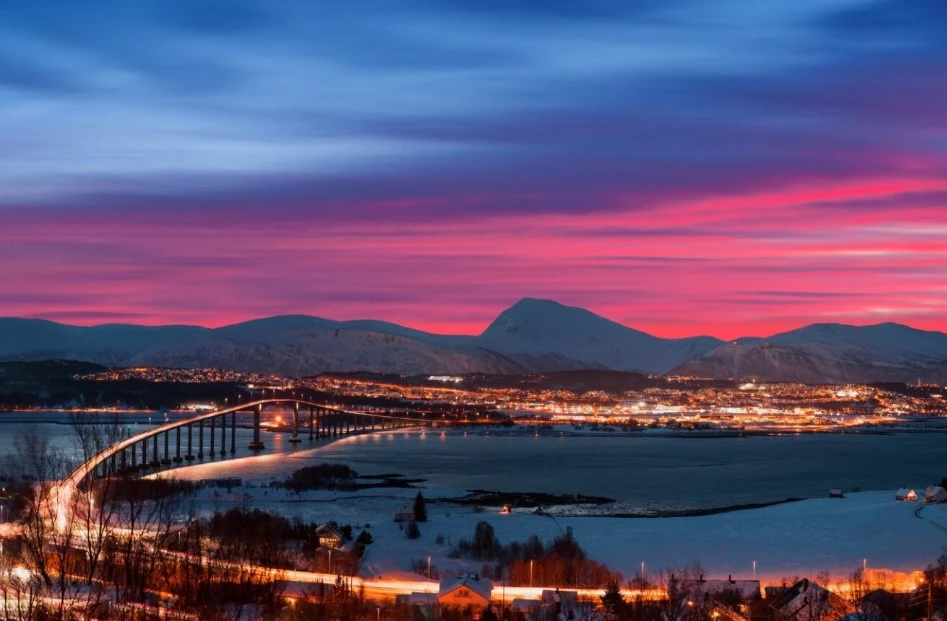
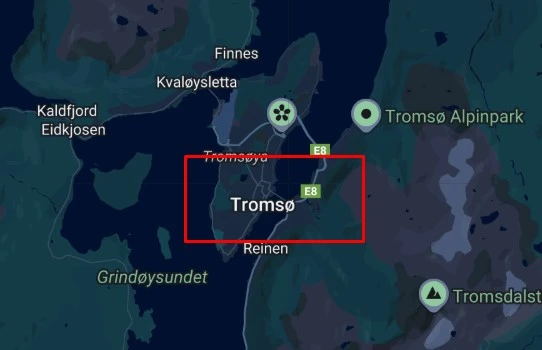
One of the best locations on earth to witness the Northern Lights is Tromsø, which serves as the entry point to the Arctic.
The town offers the purest form of nature, surrounded by fjords and snow-covered peaks. Summer offers endless hiking opportunities and midnight sun, while winter brings polar nights and auroras.
The area’s serenity, pure air, and strong bond with nature are valued by the locals. It’s ideal for tourists looking for something genuinely unique.
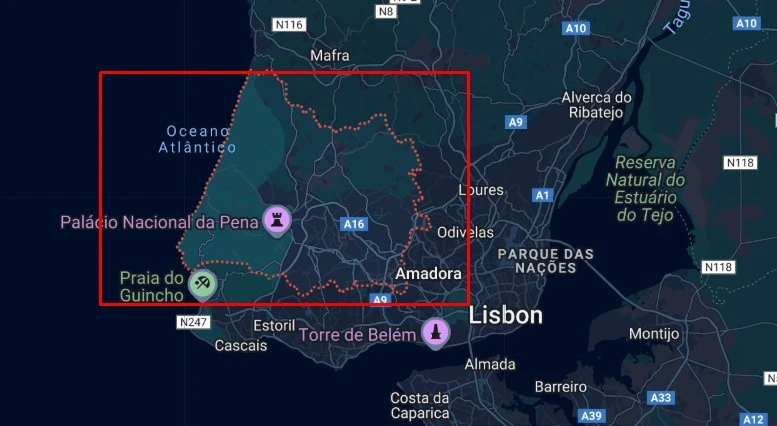
5. Sintra, Portugal
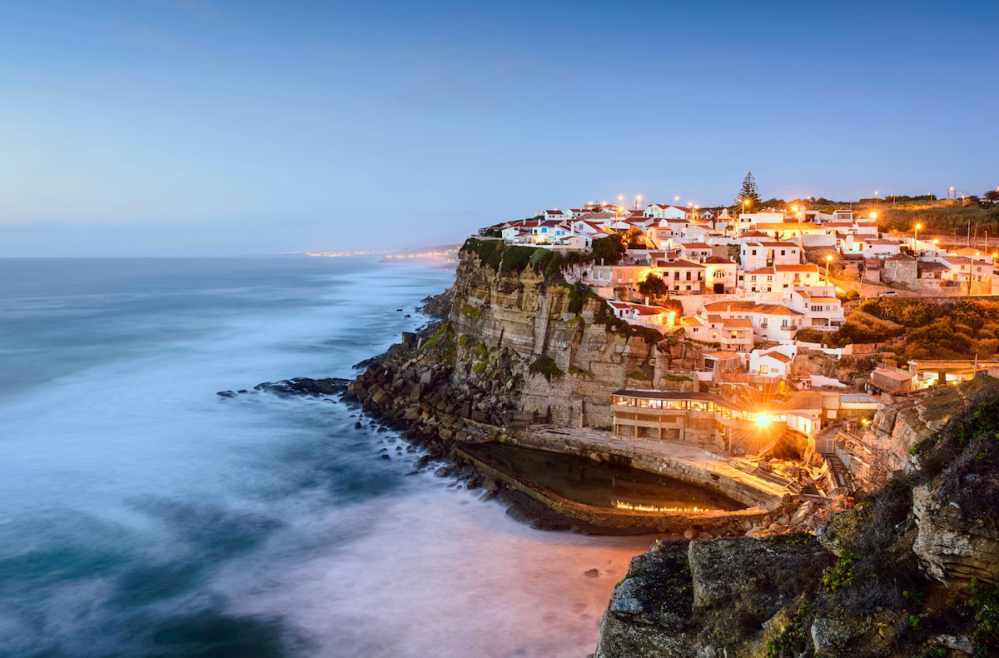
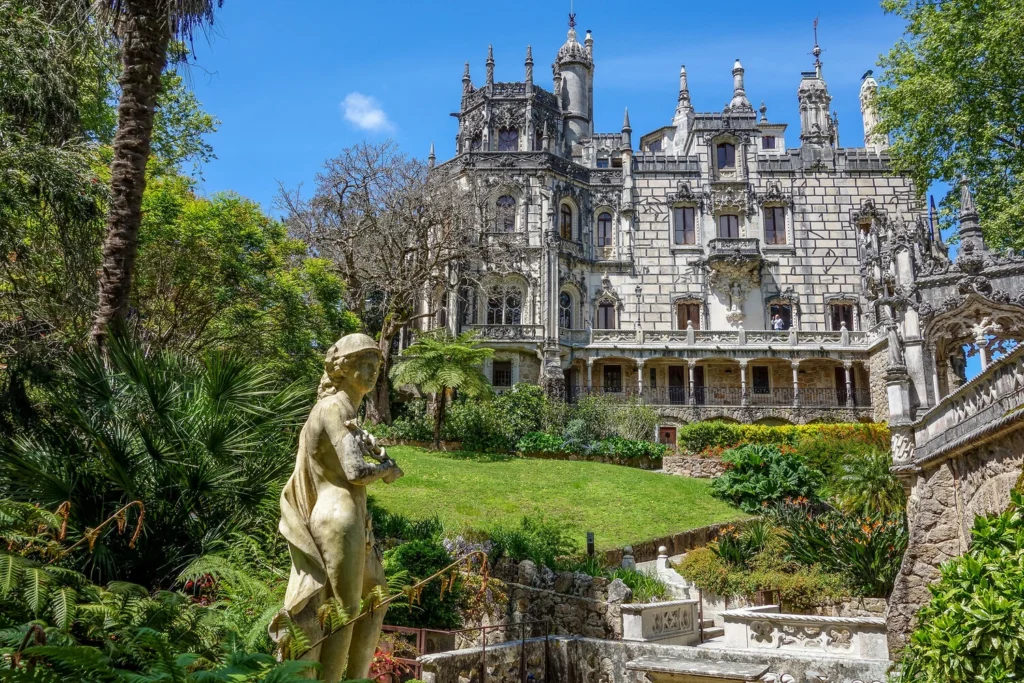
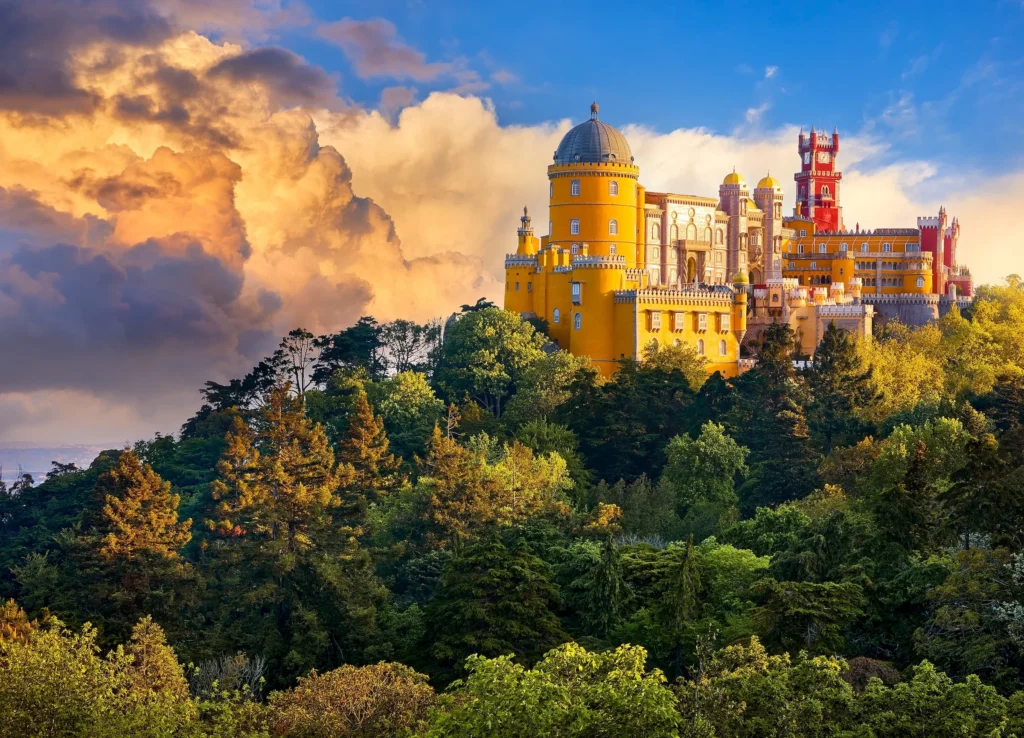
With its forests, palaces, tunnels, gardens, and vibrant architecture, Sintra has the look and feel of a kingdom straight out of a fairy tale.
Perched on a foggy hill is the famous Pena Palace, with its vivid red and yellow walls. Quinta da Regaleira hides enigmatic gardens, symbolic statues, and subterranean passageways.
To avoid the crowds and take in the ethereal ambiance that makes Sintra seem timeless, locals travel early in the morning.
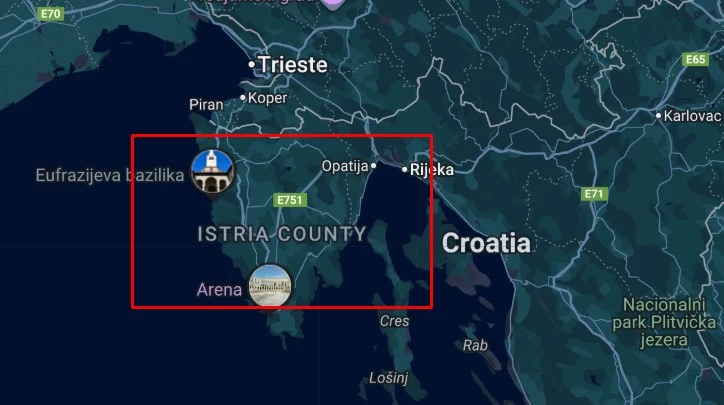
6. Istria, Croatia
Unlike Dubrovnik and Split, Istria remains a quiet and authentic region untouched by heavy tourism.
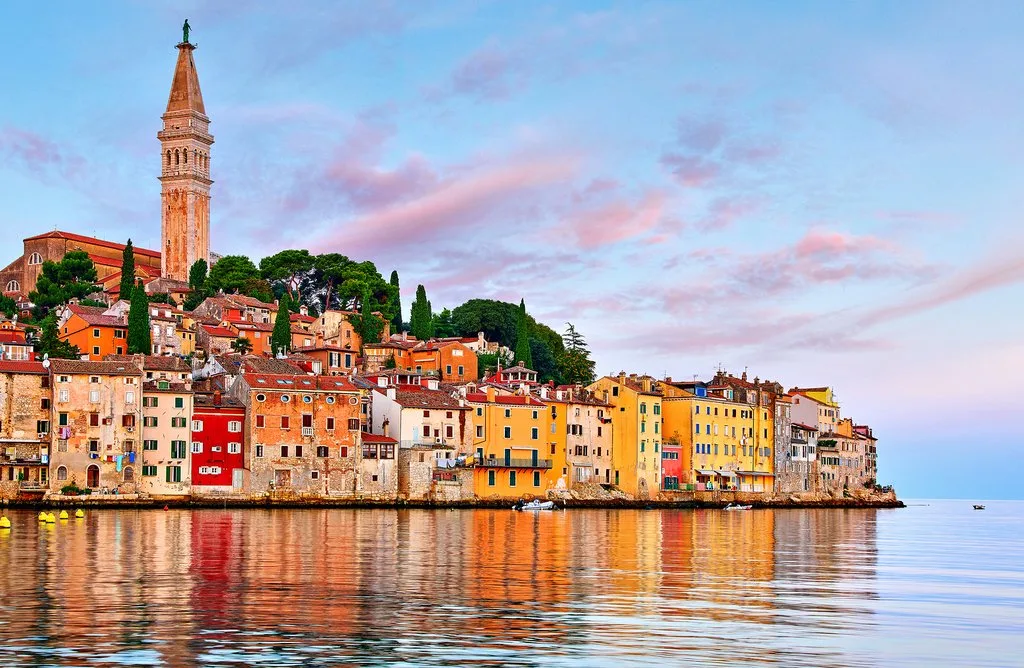
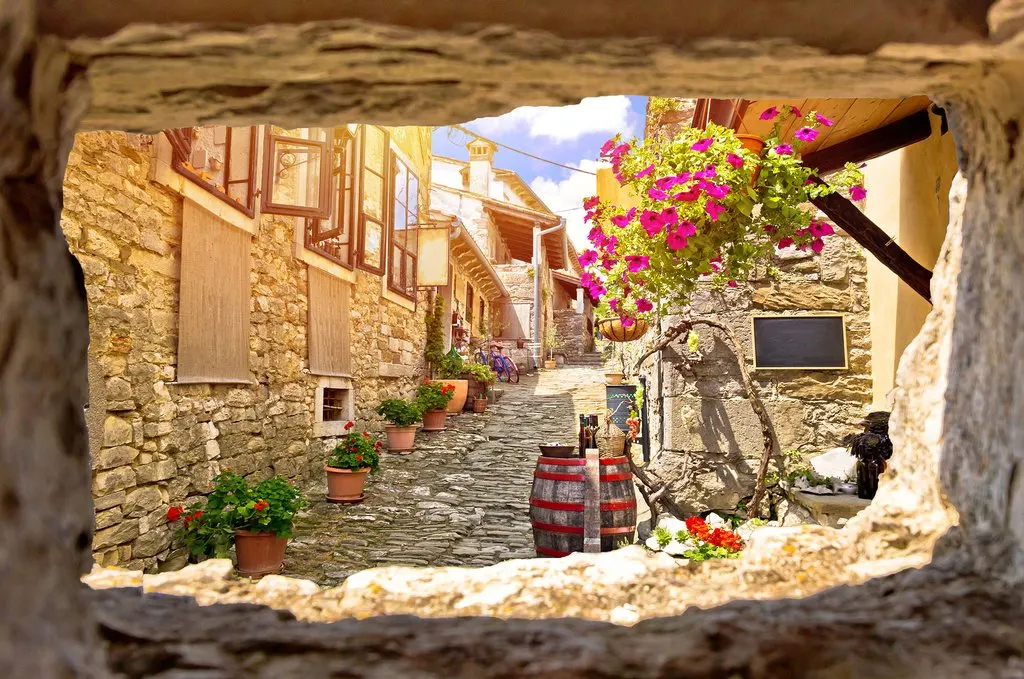
The inland villages – Motovun, Grožnjan, Oprtalj – sit on hilltops overlooking vineyards and olive groves. These stone towns feel almost frozen in time. On the coast, Rovinj stands out with pastel houses descending into the Adriatic Sea.
Istria is also Croatia’s culinary capital: truffles, olive oil, local wines and traditional seafood dishes. Locals love its balance between rural quietness and coastal beauty, making it one of the most underrated regions in the country.
7.The Faroe Islands, Denmark
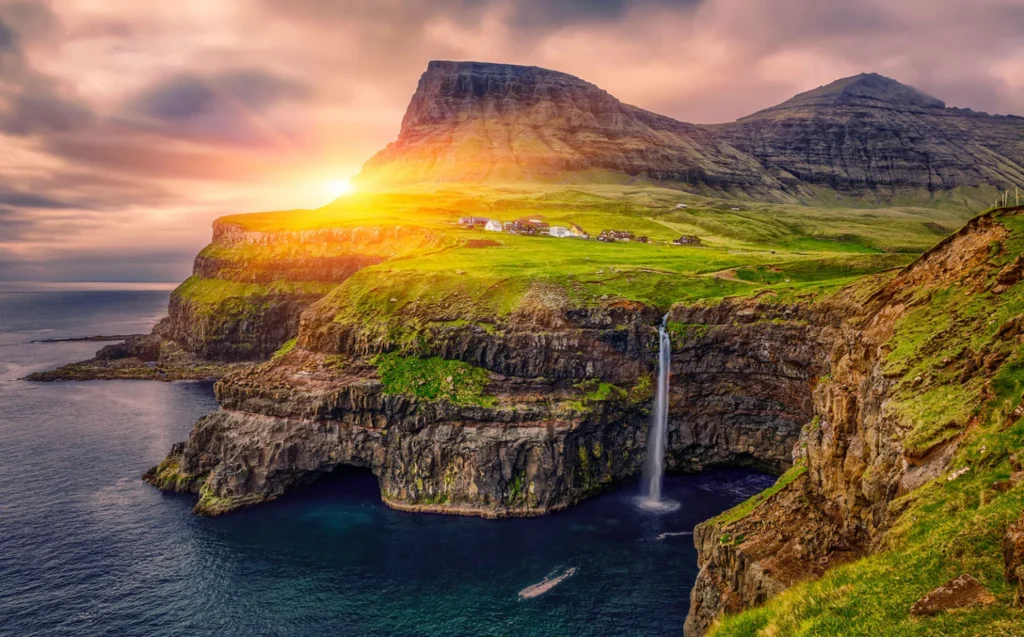
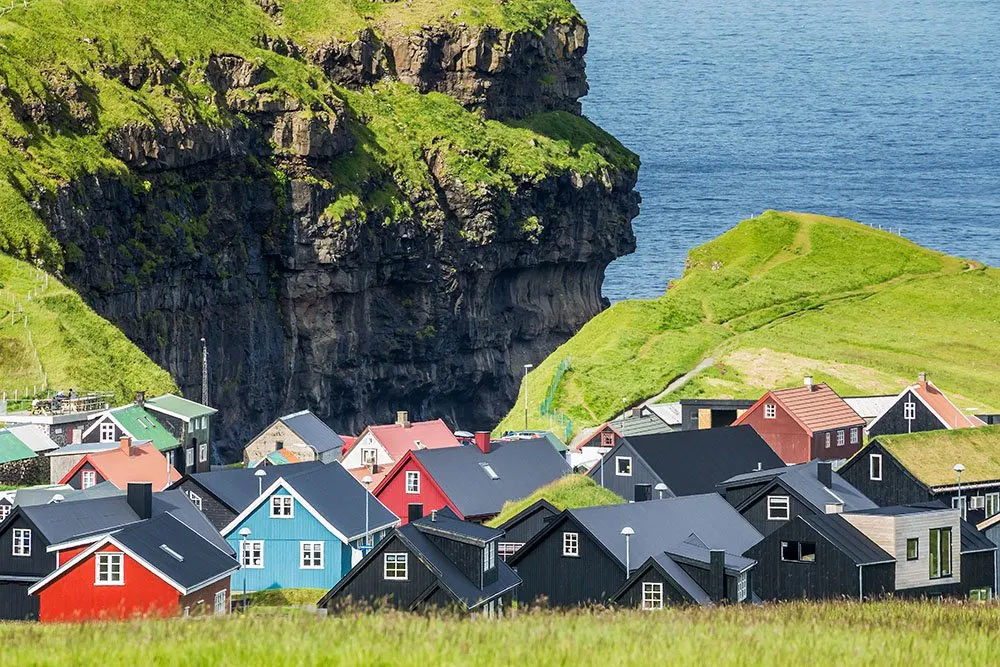
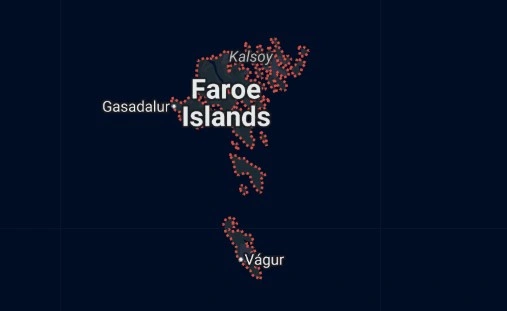
The Faroe Islands are one of Europe’s last true untouched landscapes—a remote archipelago of steep cliffs, dramatic waterfalls, tiny villages and wild Atlantic scenery. This destination remains a genuine hidden gem, far less visited than Iceland yet offering landscapes just as spectacular.
The islands are known for their green mountains that plunge directly into the sea, iconic cliffs like Trælanípa, and waterfalls such as Múlafossur dropping straight into the ocean. The atmosphere is quiet, almost mystical, with fog rolling over hills and small turf-roofed houses scattered across the valleys.
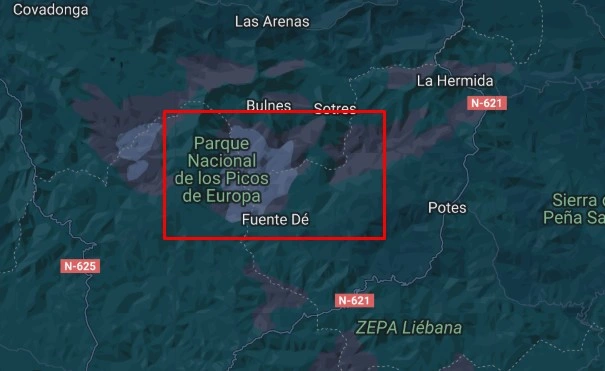
8. Picos de Europa, Spain
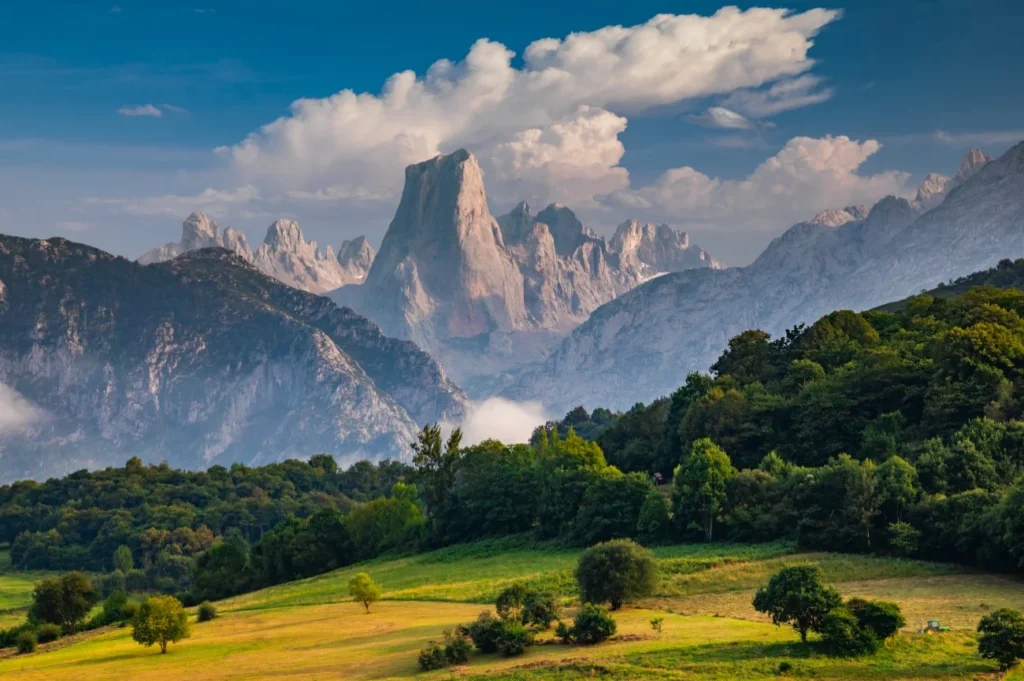
Picos de Europa is a mountain range that rivals the Alps but remains vastly underrated.
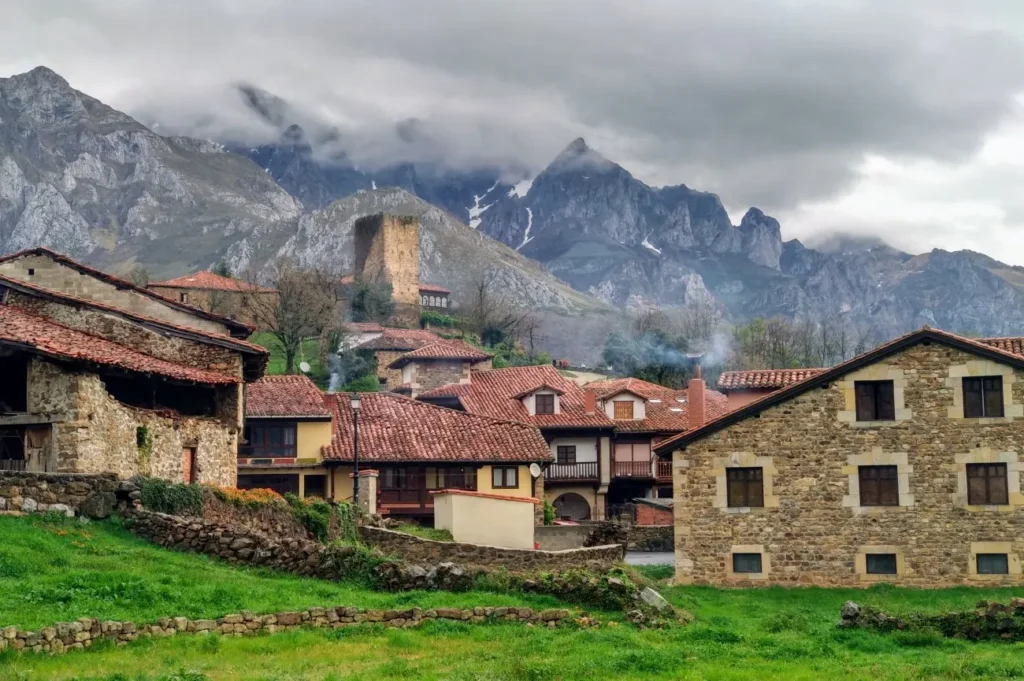
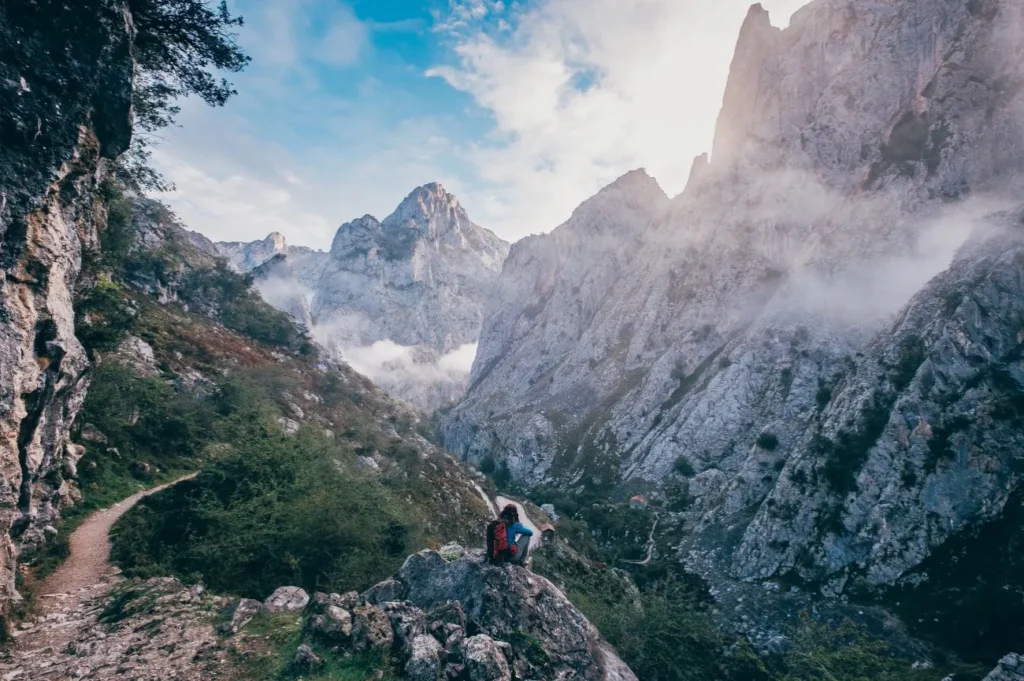
Massive limestone peaks, deep gorges and tiny stone villages create a dramatic and photogenic landscape. Covadonga Lakes offer peaceful hikes, while the Cares Gorge delivers one of the most thrilling trails in Europe.
Locals cherish this region for its nature, traditional cheese-making, and rural hospitality. It’s one of the best hidden gems for hikers and nature lovers
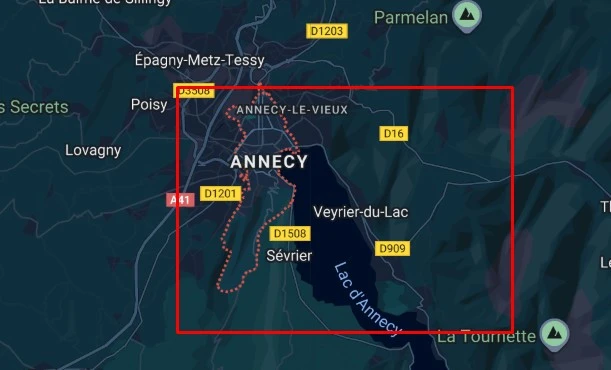
9. Annecy, France
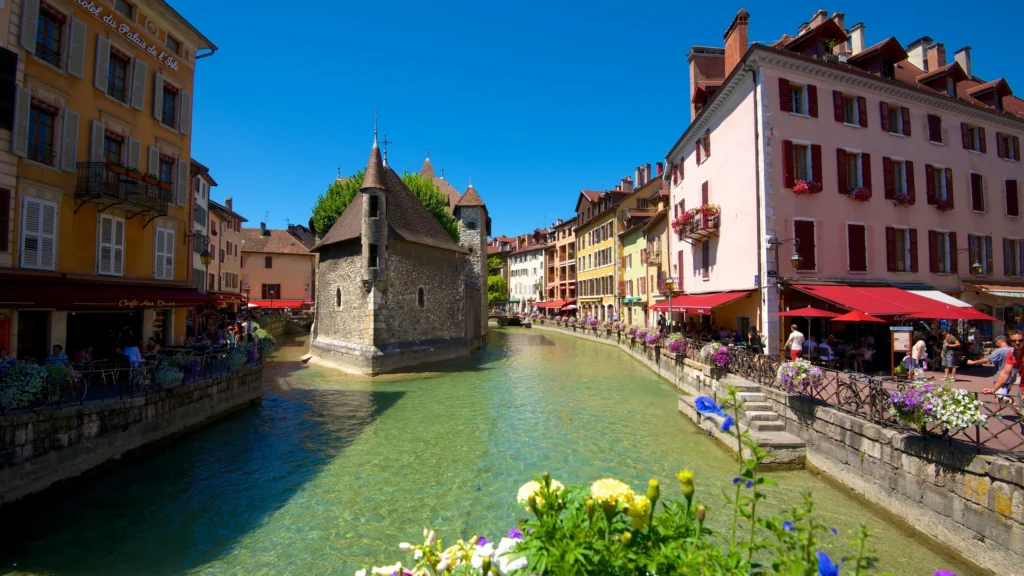
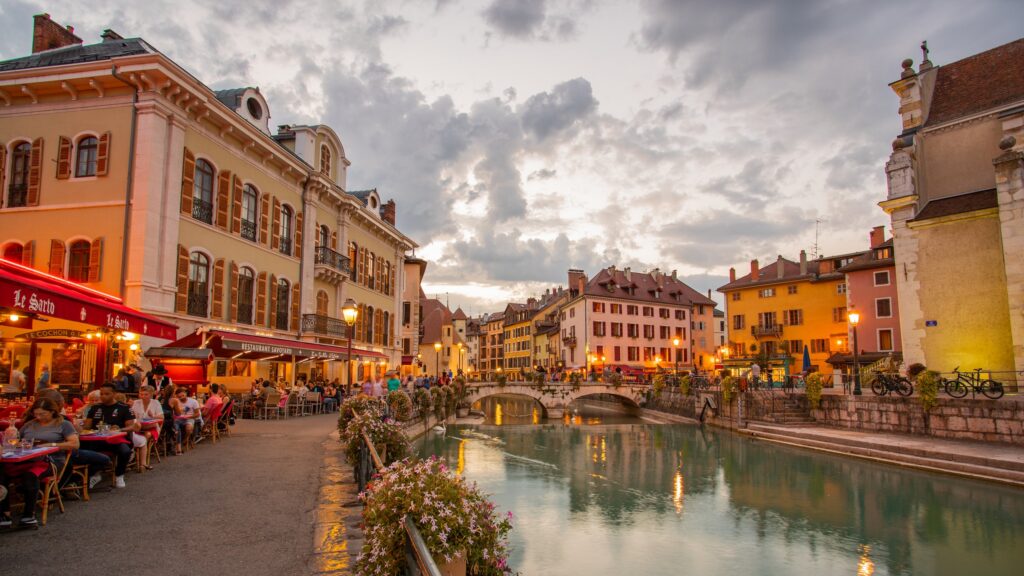
Annecy, known as “the Venice of the Alps,” blends fairytale architecture with alpine landscapes. Small bridges, pastel-colored homes, and canals are all woven all over the old town.
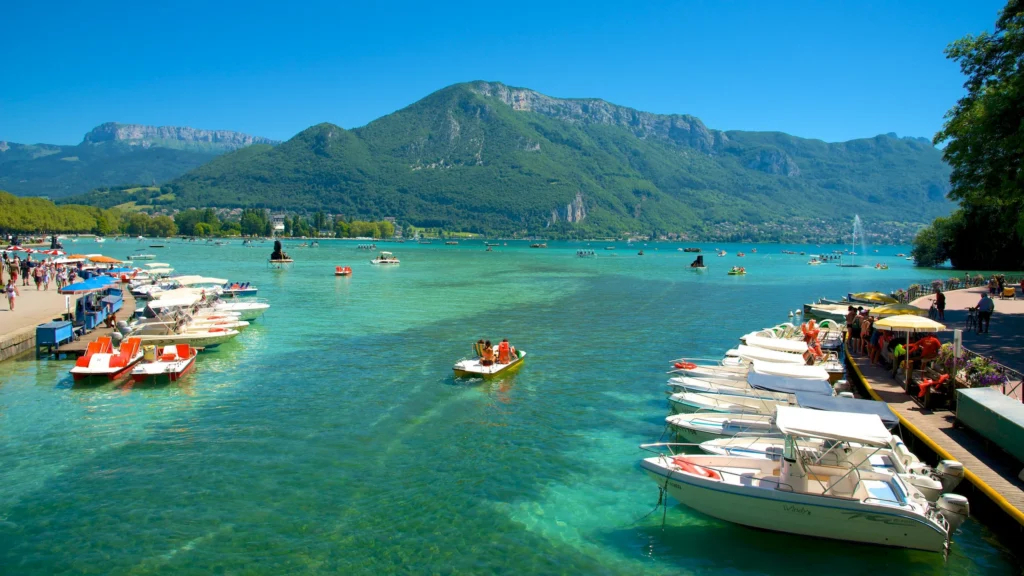
Lake Annecy, with its unbelievable turquoise water, is considered one of the cleanest lakes in Europe. Locals like to hike the nearby peaks, ride bikes around the lake, or relax at cafés by the lake.
If you want a romantic, peaceful destination with both nature and elegance, Annecy is the hidden gem you need.
10. Galicia, Spain
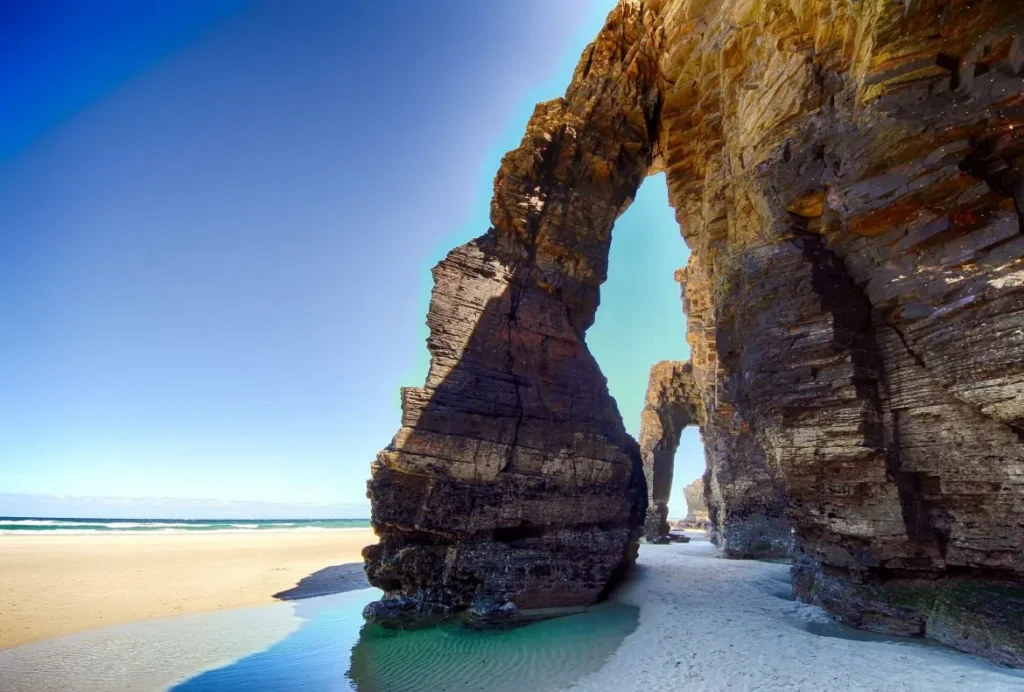
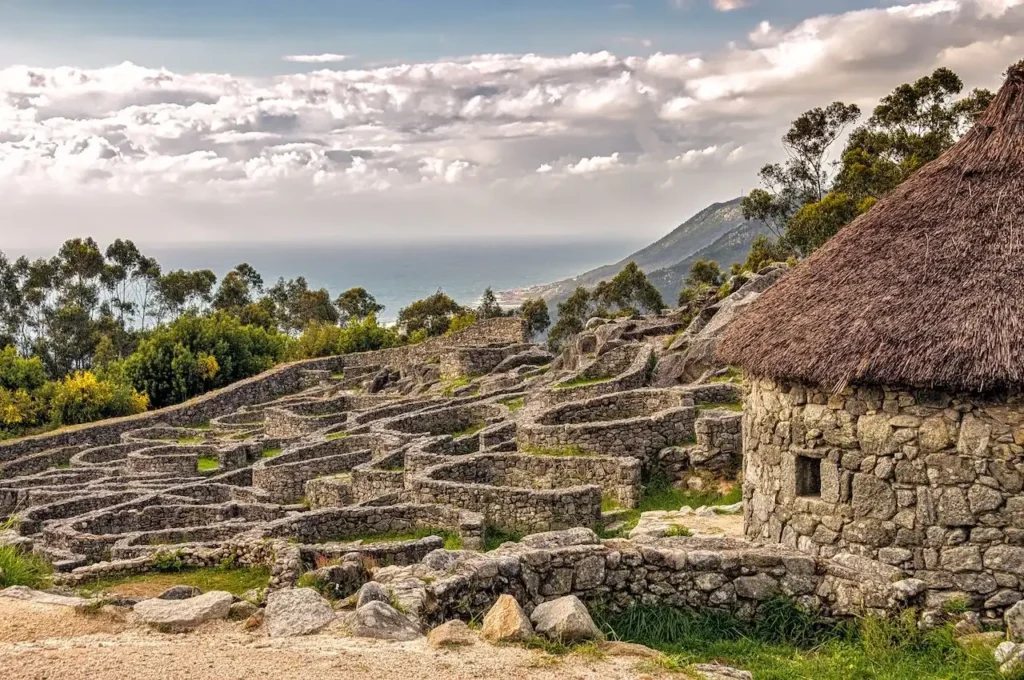
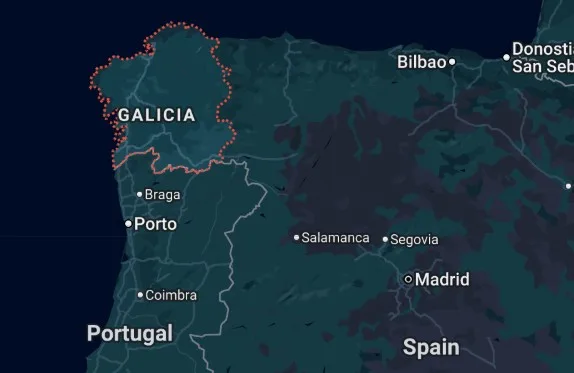
Northern Spain’s Galicia is a world of its own: rugged coasts, misty hills, Celtic influences and some of the best seafood in Europe.
The Costa da Morte (Coast of Death) features dramatic cliffs and wild beaches untouched by mass tourism. Villages like Combarro showcase stone granaries, narrow alleys and quiet fishing culture.
Galicians are proud of their heritage, gastronomy and slower pace of life. If you want to experience Spain beyond stereotypes, Galicia offers raw beauty and deep cultural identity.
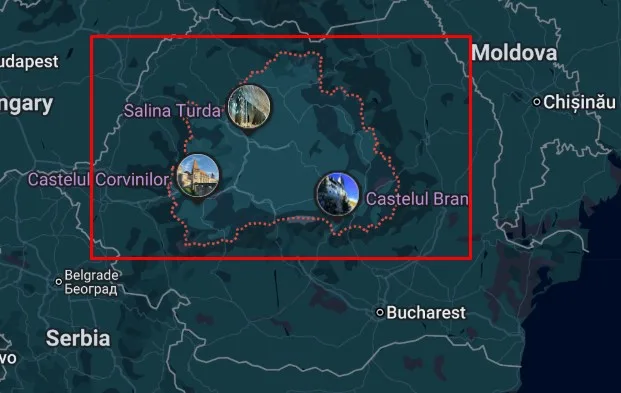
11. Transylvania, Romania
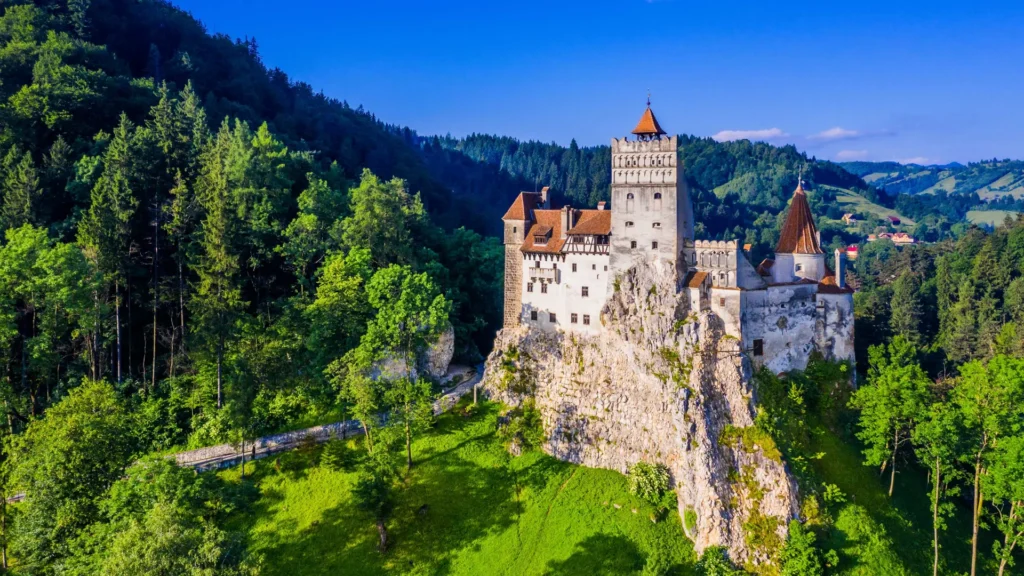
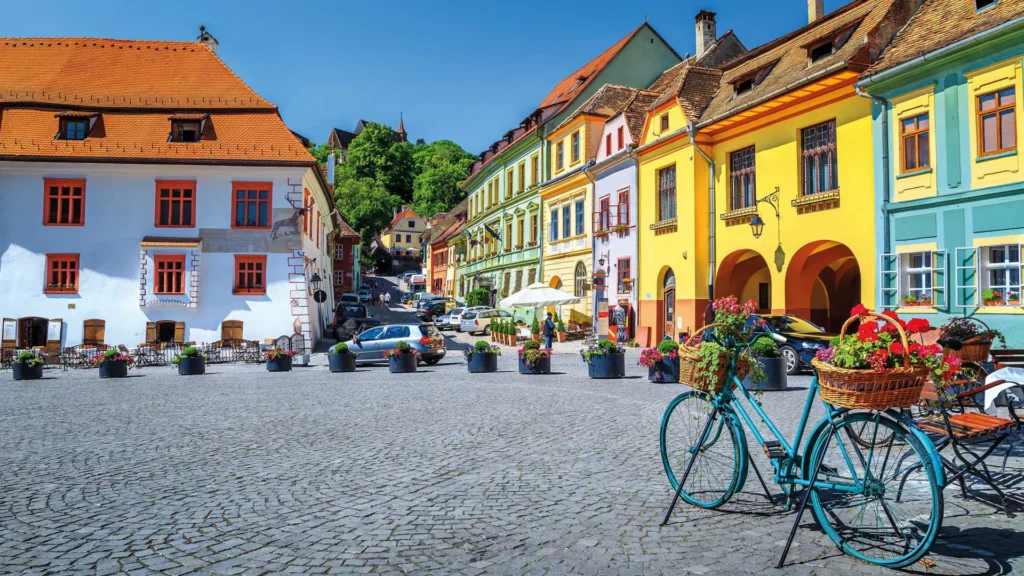
Transylvania is far more than legends and castles—it’s a land of quiet villages, fortified churches, rolling hills and untouched rural life.
Villages with colorful homes, cobblestone streets, and centuries-old customs are preserved in places like Viscri and Rimetea. One of Europe’s best-preserved medieval citadels is Sighișoara, a town recognized as a UNESCO World Heritage site. The Apuseni Mountains add dramatic landscapes and hidden caves.
Transylvania is admired by the locals for its genuineness, simple cuisine, relaxed pace, and rich cultural legacy. It’s a dream for travelers who want to experience real Central Europe.
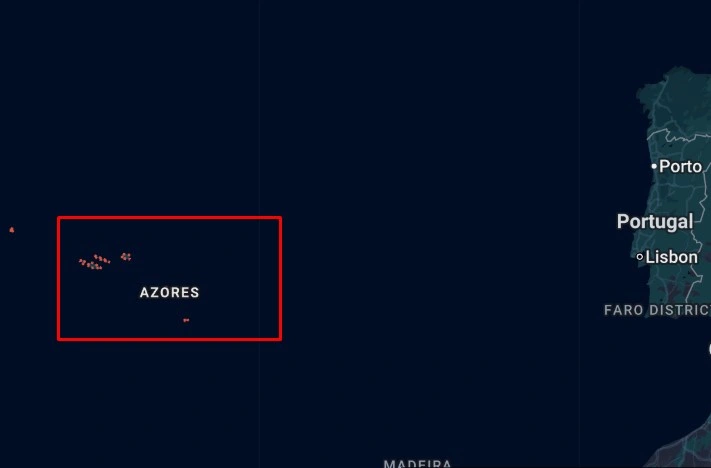
12. The Azores, Portugal
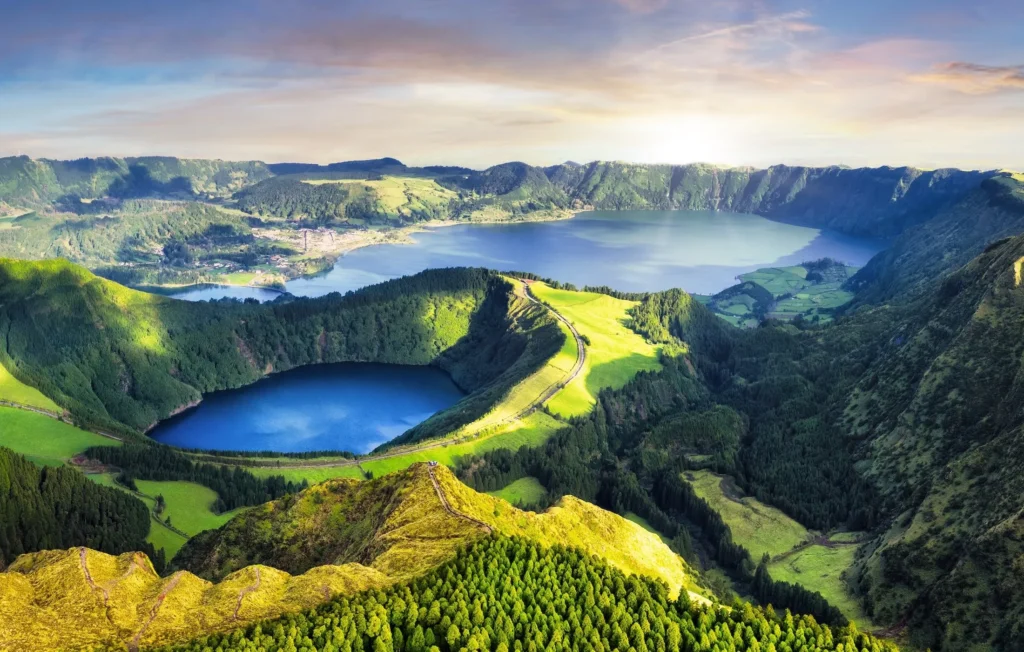
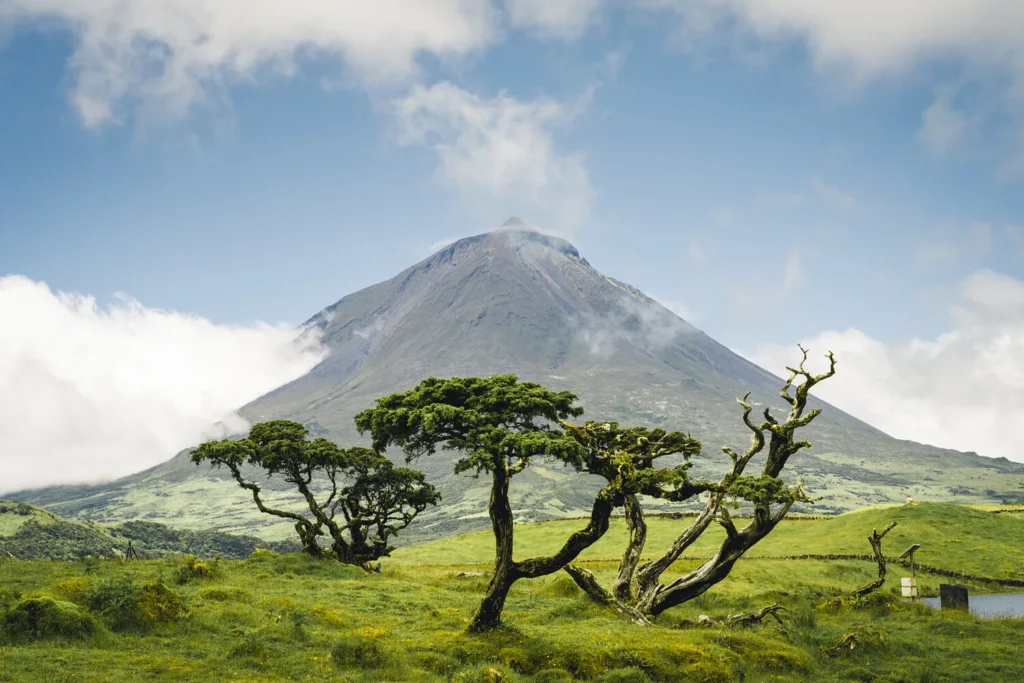
Located in the middle of the Atlantic Ocean, the Azores are Europe’s best-kept natural paradise. Volcanic calderas, steaming hot springs, waterfalls and crater lakes dominate the landscape.
São Miguel offers lush greenery and the iconic Sete Cidades lagoon. Terceira charms with vibrant towns and historic architecture. Flores is considered the crown jewel, with dramatic cliffs and untouched nature.
Locals value the islands for their slow pace, fresh seafood, and deep connection with the ocean. This is a destination for travelers who seek serenity and unfiltered nature.
13. High Tatras, Slovakia
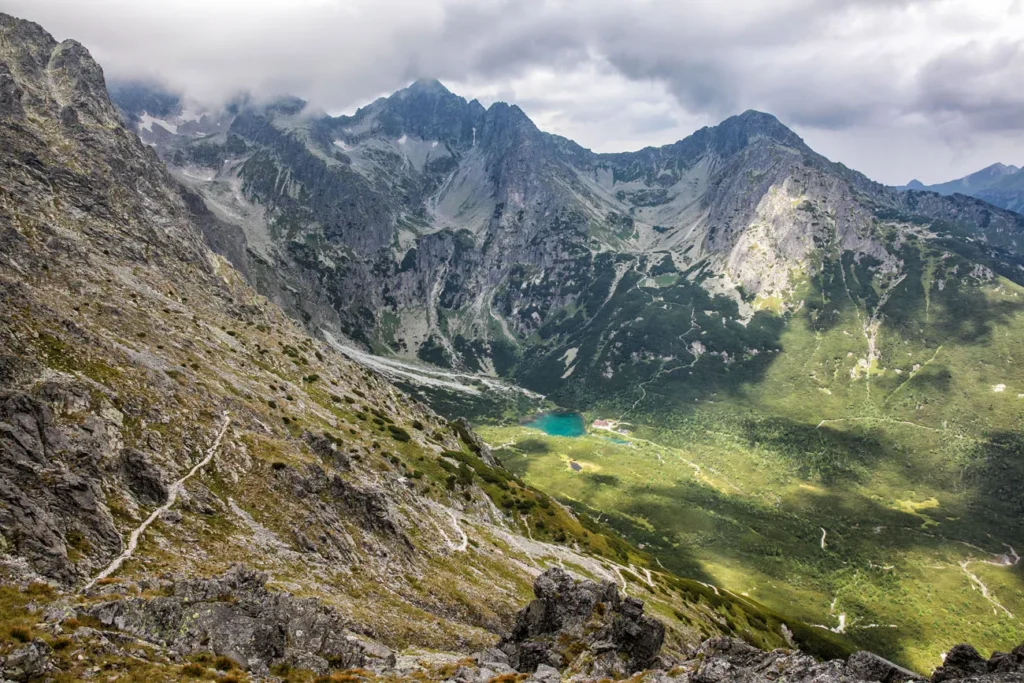
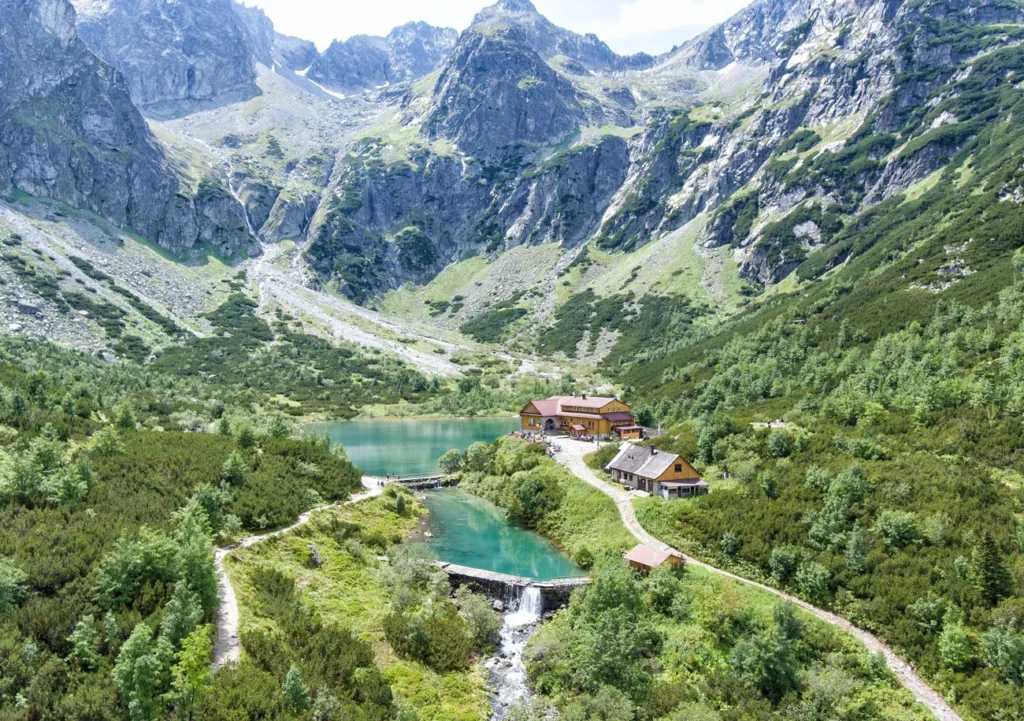
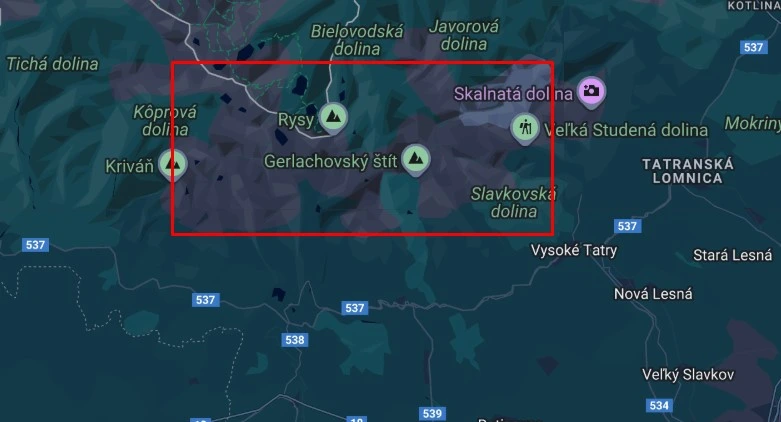
The High Tatras offer some of the most dramatic alpine landscapes in Europe – yet remain surprisingly uncrowded. Slovakia’s northern border is covered with pine forests, glacier lakes, and razor-sharp peaks.
Locals love hiking paths around Tatranská Lomnica and Štrbý Pleso, two places with serene trails and immaculate lakes. The mountains feel wild and untouched, ideal for outdoor enthusiasts who prefer raw beauty over commercial resorts. Winter brings exceptional skiing without the inflated prices of the Alps.
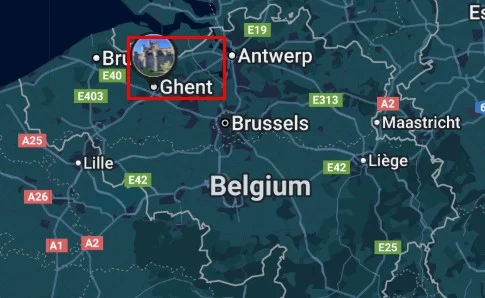
14. Ghent, Belgium
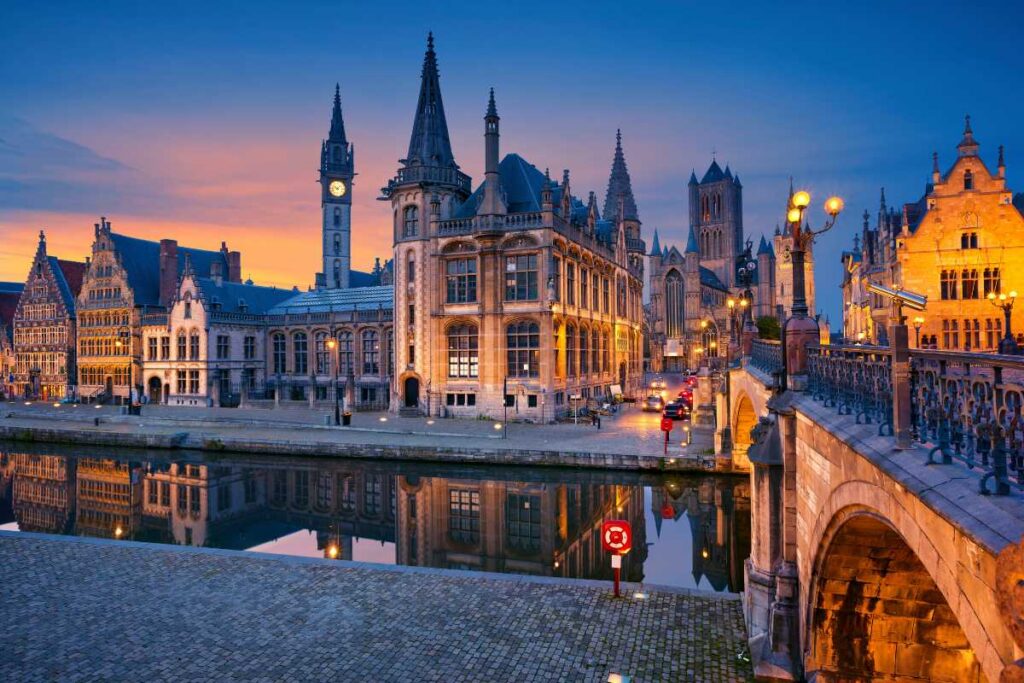
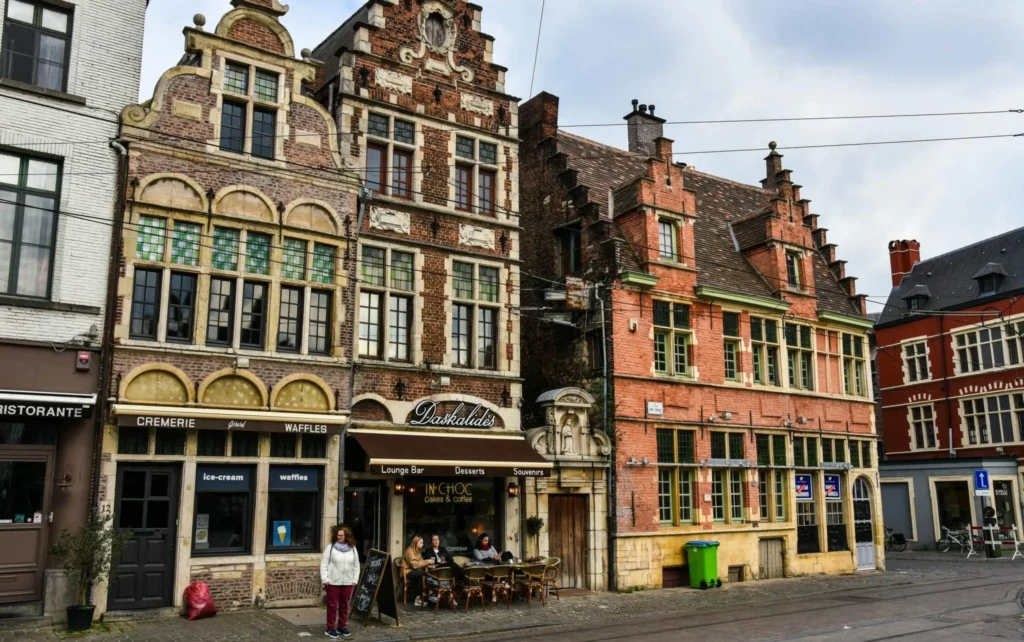
Often overshadowed by Bruges, Ghent is arguably Belgium’s most authentic historic city. Gothic buildings line the riverbanks, canals ripple between centuries-old facades, and the majestic Gravensteen Castle stands proudly in the city center.
What locals love most is the atmosphere: a mix of medieval heritage and youthful creativity. Independent bookstores, specialty coffee shops, art studios and intimate jazz bars give Ghent its unique character. It’s a perfect destination for travelers who appreciate culture without crowds.
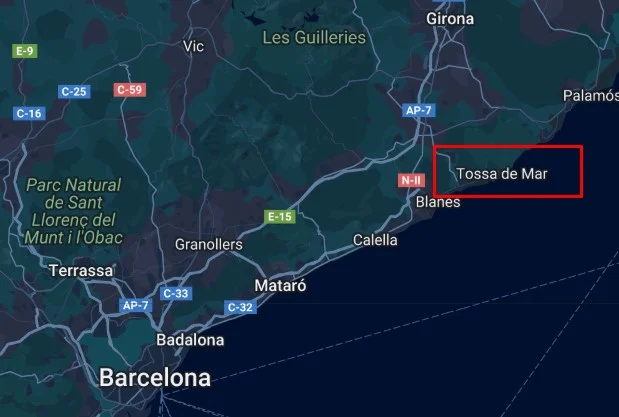
15. Tossa de Mar, Spain
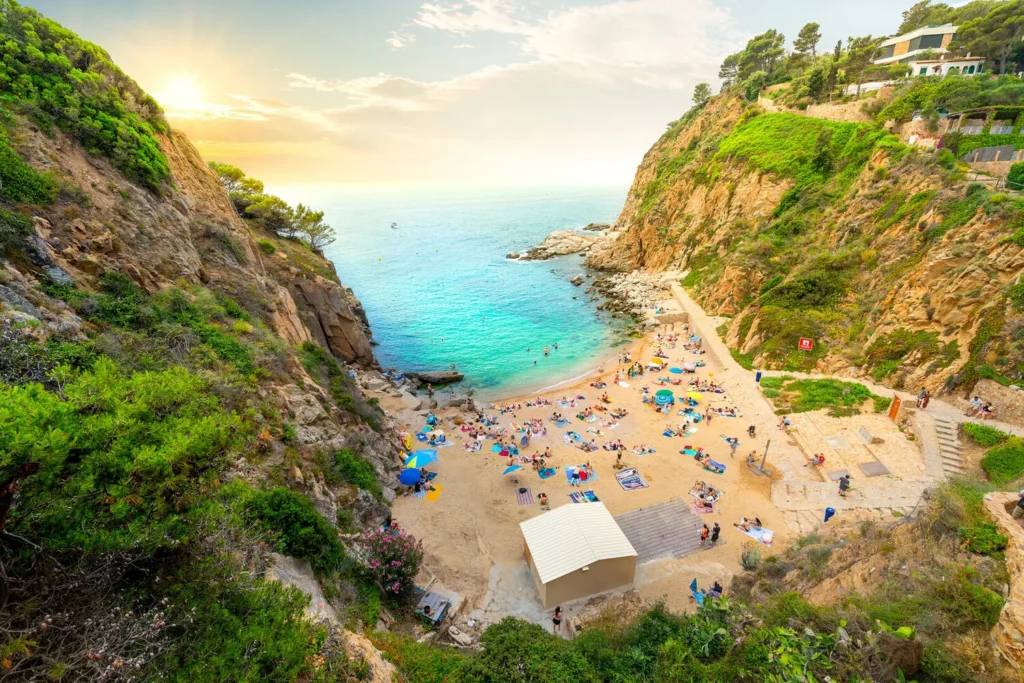
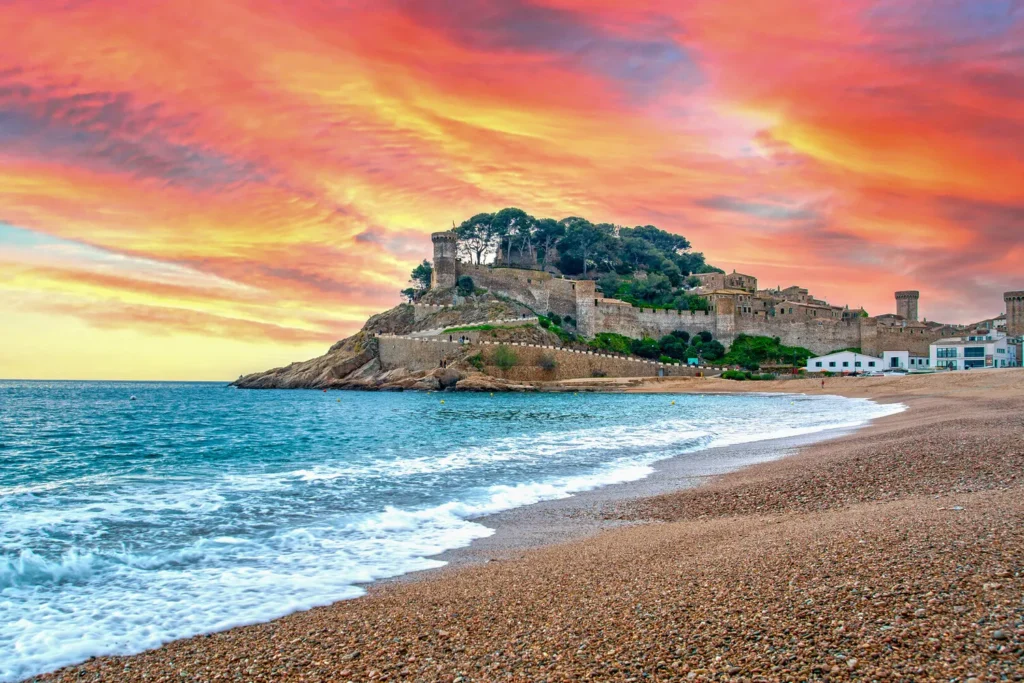
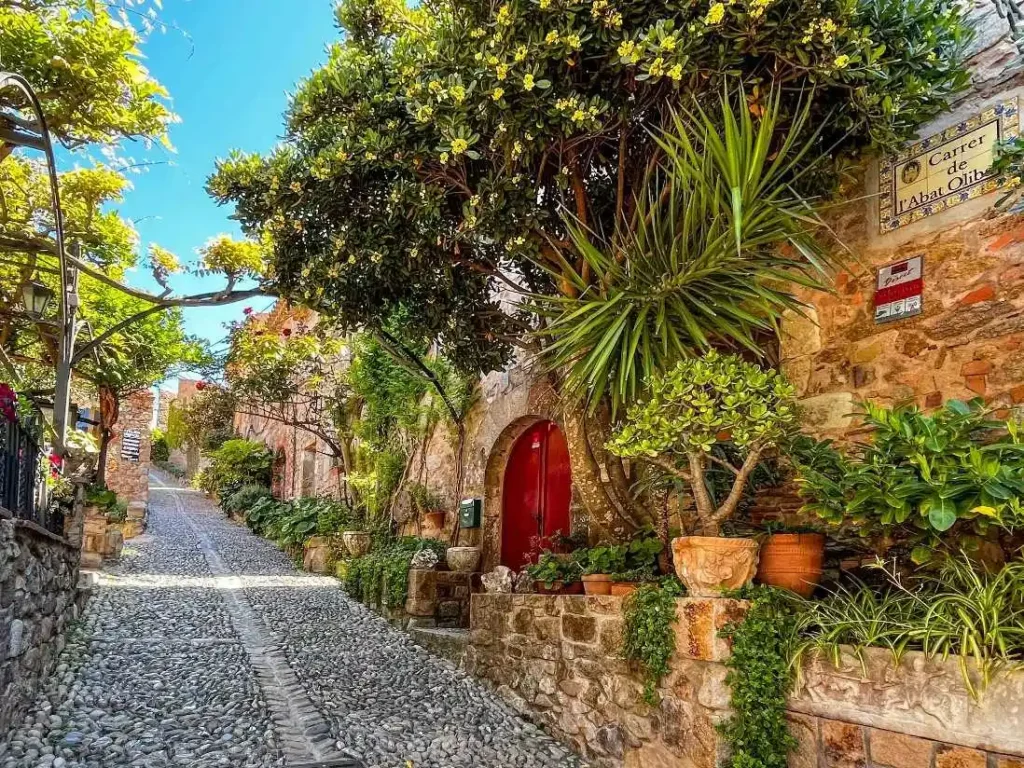
Tossa de Mar is a unique combination of tranquil Catalan charm, turquoise waters, and medieval fortress walls. The old town, Vila Vella, is fully enclosed by stone fortifications and towers that date back to the 12th century. Locals recommend exploring the narrow cobbled streets at sunrise, when the golden light hits the castle walls and the town is silent.
Outside the fortress, small coves with crystal-clear water create a peaceful alternative to the crowded beaches of the Costa Brava. The food scene is simple but authentic – fresh seafood, local olive oil, slow Mediterranean evenings.
Conclusion
European hidden gems are not defined by popularity, but by authenticity. These destinations preserve local culture, unspoiled landscapes and a slower, more meaningful way of experiencing the continent. In 2026, shift your attention away from typical tourist routes and discover the places locals truly love.
These hidden corners of Europe offer something priceless: real connection, real beauty, and real experiences.
Read more articles about traveling, marketing, interior design, education and more.