
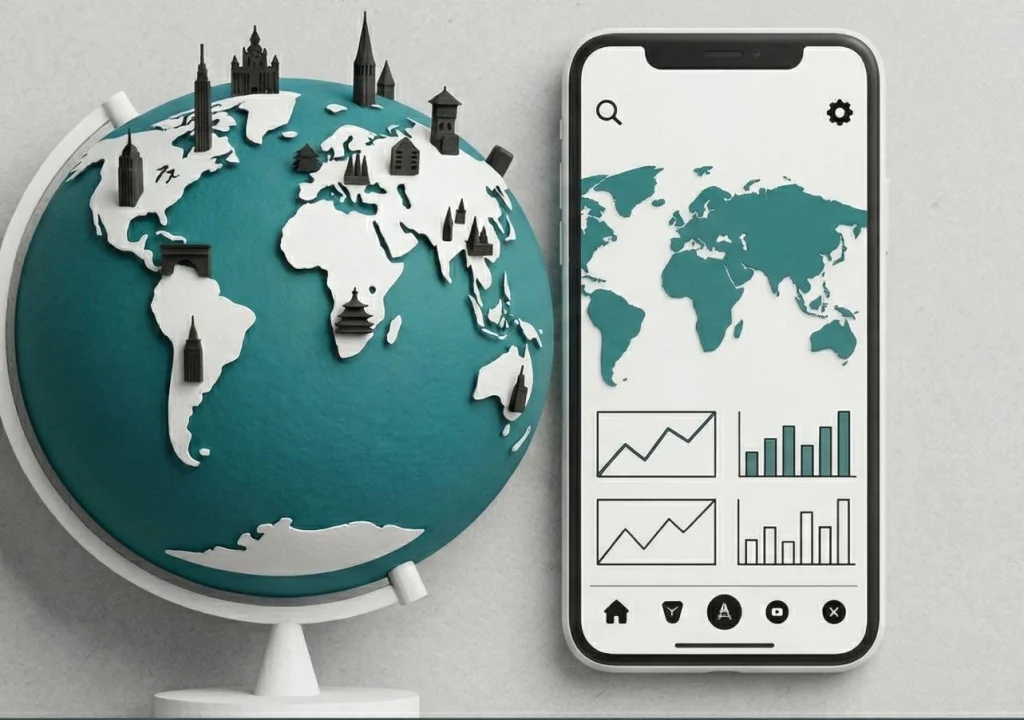
The year 2026 marks a turning point in the global evolution of both industrial production and international mobility. What once looked like two distant worlds – manufacturing and travel – are now merging into a single ecosystem built on automation, predictive technology, and intelligent design. The concept of smart manufacturing 2026 does more than revolutionize production lines; it directly reshapes how people move across borders, experience destinations, interact with hospitality, and understand global mobility. At the same time, future of travel 2026 describes a world in which tourism becomes more personalized, safer, more sustainable, and deeply influenced by technological innovation.
This article explores how these two forces intertwine to redefine the travel experience of 2026.
1. Smart factories produce the infrastructure of modern travel
Most travelers never see the backstage machinery that makes tourism function, yet everything that enables modern travel – airplanes, airport systems, hotel technologies, smart baggage, modular rooms, autonomous shuttles – comes directly from manufacturing. In smart manufacturing 2026, factories rely on robots, digital twins, additive production, and real-time analytics, allowing them to create components with unmatched precision.
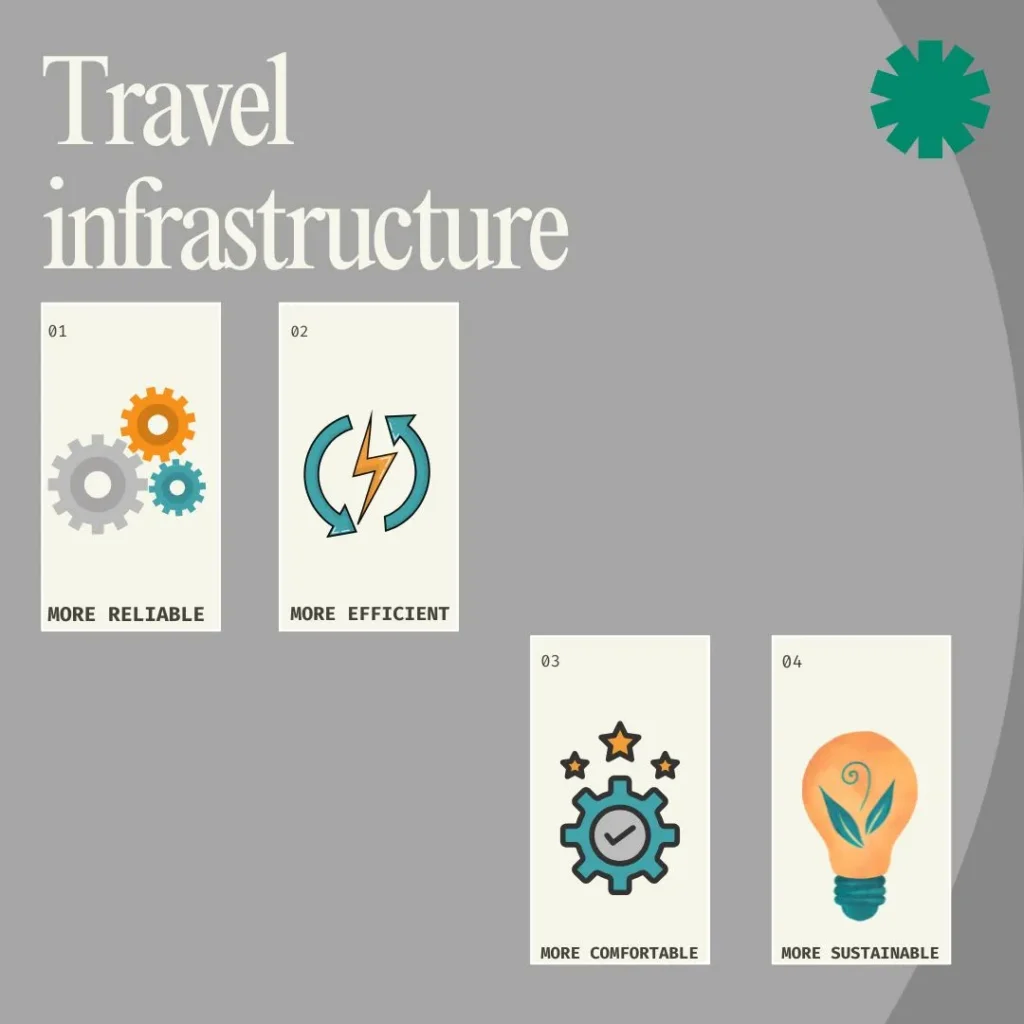
Travel infrastructure becomes:
- more reliable (fewer mechanical failures);
- more efficient (energy-optimized systems);
- more comfortable (enhanced material quality);
- more sustainable (lightweight components, recycled materials).
The aviation sector benefits the most. Aircraft parts produced in smart factories undergo predictive quality checks, drastically reducing structural errors. This leads to fewer delays, increased safety, and a smoother passenger journey – forming one of the pillars of future of travel 2026.
2. Airports transform into intelligent mobility hubs
Airports in 2026 no longer resemble the chaotic, slow-moving environments of the past. Instead, they function as interconnected, semi-autonomous smart hubs. Many upgrades are a direct result of smart manufacturing 2026.
Key examples include:
- automated security gates;
- modular boarding bridges assembled from robotics-driven production;
- autonomous baggage systems built from precision-manufactured components;
- energy-efficient LED infrastructures;
- digital wayfinding hardware printed on-demand through additive manufacturing;
Airports evolve into efficient ecosystems where technology does most of the operational work, while human staff focuses on guidance and customer experience. The result is a new airport identity: cleaner, quieter, more organized, and aligned with the broader future of travel 2026 movement.
3. Robotics and modular construction revolutionize hotels
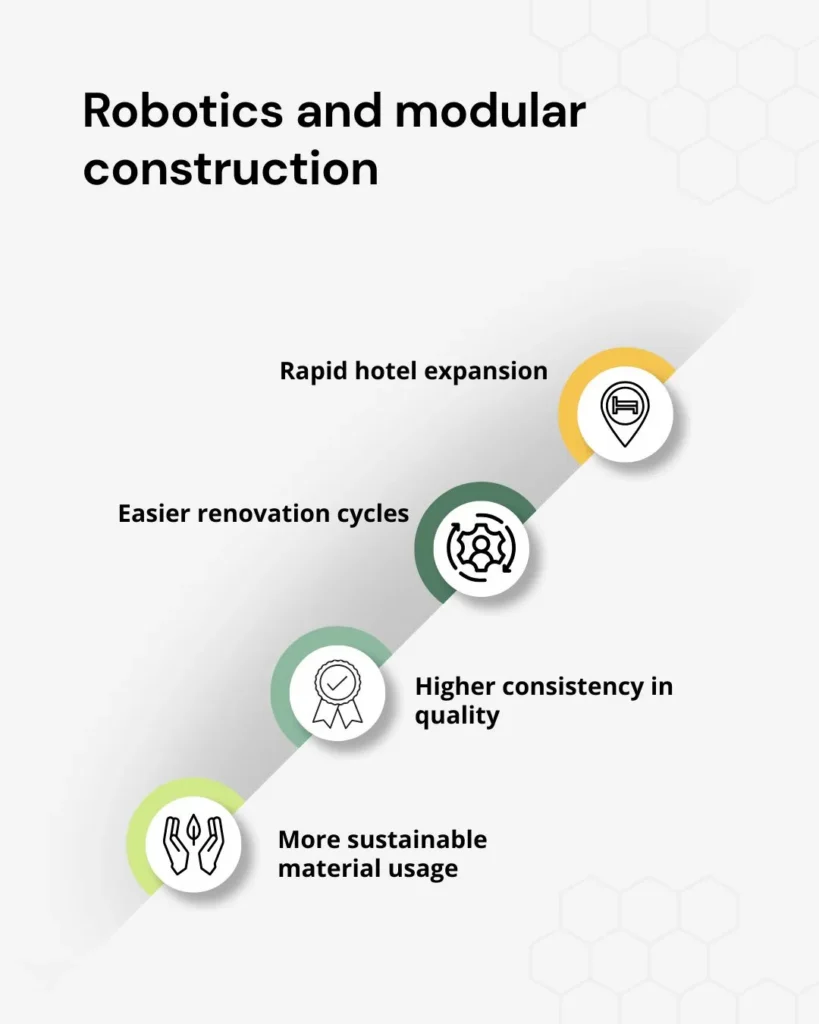
Hotels and resorts undergo a similar transformation. In smart manufacturing 2026, factories produce entire room modules, smart furniture, IoT lighting systems, climate-control units, and acoustic panels with a level of customization that was impossible a decade earlier.
This enables:
- rapid hotel expansion;
- easier renovation cycles;
- higher consistency in quality;
- more sustainable material usage;
A hotel room is no longer built traditionally on-site. Instead, it is assembled from manufacturer-produced components that fit together like a puzzle. This drastically reduces construction waste and ensures perfect precision.
Travelers notice the change immediately: rooms feel more modern, cleaner, and technologically coherent.
4. Additive manufacturing enables personalized travel products
One of the most exciting contributions of smart manufacturing 2026 is the personalization of travel accessories. Through additive manufacturing (3D printing), travelers gain access to:
- custom luggage designed to match posture and movement;
- lightweight suitcases optimized for lower CO₂ emissions;
- personalized neck pillows, footrests, or adaptive seating pads;
- medical kits tailored to personal health profiles;
Hotels also use 3D printing to produce interior decorations, wall panels, furniture parts, or artistic elements that reflect local culture.
This adds a new layer to the future of travel 2026: personalization becomes standard, not luxury.
5. AI-driven supply chains make global travel smoother
Behind every flight, hotel room, cruise ship, and tour package lies a complex supply chain. In 2026, artificial intelligence fully manages these chains, eliminating inefficiencies and predicting needs before they occur.
AI-powered logistics influence both industries:
- In manufacturing: AI dictates production cycles, ensures material availability, and coordinates with transport networks.
- In travel: hotels rarely run out of essentials, airlines receive maintenance parts instantly, and airports operate with fewer resource shortages.
This synergy between smart factories and travel operations is one of the strongest pillars of future of travel 2026.
6. Sustainability becomes a shared mission between both industries
The travel sector has long struggled with sustainability concerns. Smart manufacturing finally introduces scalable solutions.
Factories in 2026:
- operate on renewable energy;
- reduce waste through circular production;
- design biodegradable components for airlines and hotels;
- produce electric mobility parts (batteries, motors, lightweight chassis);
- create eco-friendly textiles and building materials.
Travel companies integrate these innovations to reduce overall environmental impact:
- planes built from lightweight composite materials;
- hotels powered by modular solar systems;
- electric buses produced via automated lines;
- portable chargers manufactured from recycled metals.
The result is a cleaner, more ethical travel industry aligned with the demands of modern travelers.
7. Safety improves thanks to smart production
Safety is another domain where smart manufacturing 2026 elevates the future of travel 2026.
Sensors embedded in manufactured components continuously send diagnostic data. AI monitors:
- material fatigue in aircraft wings;
- pressure and vibration levels in high-speed trains;
- structural integrity of hotel elevators;
- battery health in autonomous shuttles;
- temperature fluctuations in airport equipment.
Manufacturing and travel become interconnected safety networks. Failures are detected before they happen, and maintenance becomes predictive rather than reactive.
8. Destinations evolve faster through modular construction
Tourism destinations no longer require years to build hotels, terminals, or attractions. Instead, modular prefabrication powered by smart factories enables construction within weeks.
This leads to:
- faster redevelopment after disasters;
- more flexible tourism growth;
- cost-efficient expansion in emerging markets;
- consistent quality control.
A high-end eco-resort, for example, may be assembled using only modular components printed and manufactured in under 60 days. This accelerates global competition and elevates the traveler experience.
9. Travelers experience a seamless, intelligent journey
When manufacturing becomes smart, travel becomes fluid.
Travelers now interact with:
- quieter, more reliable airplanes;
- airports with automated flows;
- hotels with AI-climate rooms;
- smart beds manufactured with ergonomic analysis;
- electric rental cars powered by lightweight industrial components;
- luggage that tracks itself through embedded chips.
Every part of the journey feels designed — not improvised.
Conclusion
The symbiosis between smart manufacturing 2026 and the future of travel 2026 defines the new era of global mobility. Manufacturing no longer hides behind the scenes; it actively shapes comfort, sustainability, safety, and personalization in every corner of the travel industry. The result is a travel experience that feels cleaner, smarter, faster, and more human.
Smart manufacturing is not simply improving travel — it is reinventing it.
Read more articles about marketing, interior design, education, environment and more.
References
- McKinsey – Sustainability in Manufacturing – https://www.mckinsey.com/capabilities/sustainability
- Deloitte –Industry 4.0 and Smart Manufacturing – https://www.deloitte.com/us/en/insights/industry/manufacturing-industrial-products.html
- UNWTO – Tourism Innovation & Tech Reports – https://www.untourism.int/tourism-and-culture
- IEA – Energy Efficiency in Transport & Manufacturing – https://www.iea.org/topics/artificial-intelligence