

The year 2026 marks the definitive end of the siloed approach to food and medicine. We have entered an era where the health of the planet and the health of the individual are treated as a single, continuous system. This transformation is driven by the rapid maturation of Precision Farming Systems, which allow for the cultivation of crops with specific, optimized nutrient profiles tailored to human biological needs. This is not merely about increasing yield; it is about increasing the “biotherapeutic” value of our food supply. As these systems scale, they provide the granular data necessary to fuel Personalized Nutrition Models, which use artificial intelligence to prescribe diets that can prevent or even reverse chronic metabolic conditions. This entire ecosystem is being housed within a new type of Sustainable Healthcare Infrastructure, where medical facilities function more like wellness hubs integrated with local food production.
1. Agriculture as the New Pharmacy
In 2026, the first line of defense against disease is no longer the pharmacy, but the soil. The widespread adoption of Precision Farming Systems has fundamentally changed the agricultural landscape. By utilizing hyperspectral imaging from satellites and localized IoT sensors, farmers can now monitor the mineral and antioxidant levels of their crops at the leaf level. This technology ensures that every plant receives the exact amount of water and nutrients required to reach its maximum nutritional potential. We are moving toward “prescription-grade” produce, where the chemical composition of a vegetable is verified before it ever leaves the field.
This level of detail allows for a B2B synergy between agritech companies and the healthcare sector. Hospitals and insurance providers are increasingly investing in these agricultural systems to ensure a steady supply of high-nutrient food for their patients. This proactive approach to health is drastically reducing the long-term costs of treating lifestyle-related diseases, which remains the primary goal of the global financial shift in medical spending.
2. Case Study: Wageningen University & Research (WUR) – The Farm of the Future
To find a real-world application of this vision, we must look at Wageningen University & Research in the Netherlands. Their project, Farm of the Future (located in Lelystad), is an active, 100-hectare laboratory that demonstrates how Precision Farming Systems can restore biodiversity while producing high-quality food. The farm uses autonomous robots for weed control and nutrient application, ensuring zero chemical runoff and maximizing soil health.
WUR doesn’t stop at the field. They have launched the Personalized Nutrition & Health consortium, a real collaboration between science and the food industry. This project uses data from the Farm of the Future to create Personalized Nutrition Models that are being implemented in clinical trials. For example, they have developed digital platforms where patients with Type 2 diabetes receive meal plans based on the specific nutrient density of the crops harvested that week. By matching the metabolic markers of the patient with the nutrient profile of the produce, they have achieved stabilization of blood sugar levels that traditional diets could never match. This is the most concrete evidence we have that the farm and the clinic are now one.
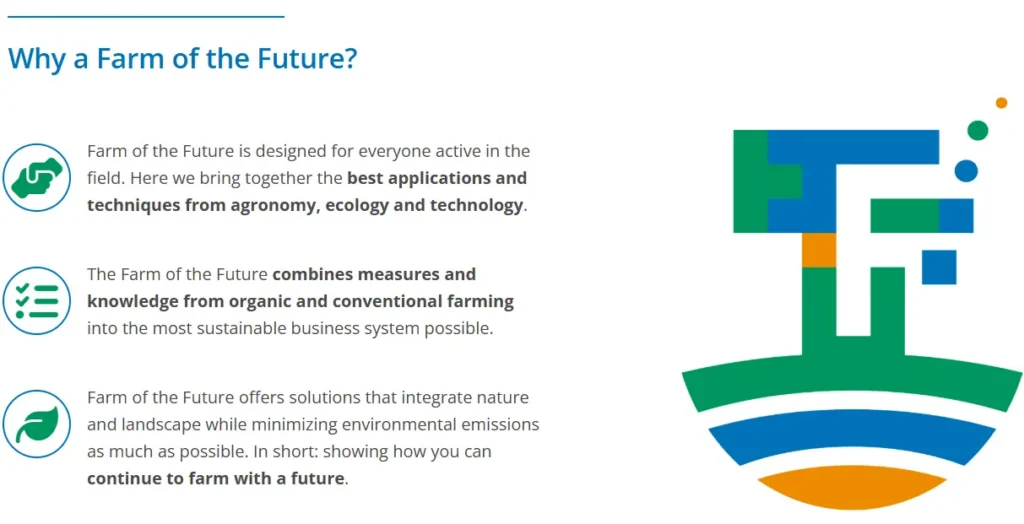
Wageningen University & Research (WUR) – The Farm of the Future
3. The Tech Behind Personalized Nutrition
The implementation of Personalized Nutrition Models depends on the ability to process massive amounts of biological data. In 2026, the gut microbiome has become the “second brain” of medical diagnostics. By using home-testing kits that analyze the microbiome and blood biomarkers, AI algorithms can predict how an individual will respond to certain foods. This isn’t generic advice; it’s a dynamic map of human health that changes as the individual ages.
These models are becoming the standard of care in high-end medical facilities. By integrating agricultural data—knowing exactly how much sulforaphane is in a batch of broccoli grown via Precision Farming Systems—the medical team can titrate a patient’s diet with the same precision they would use for a drug dosage. This level of accuracy is what defines the “One Health” approach of 2026.
4. The Evolution of Sustainable Healthcare Infrastructure
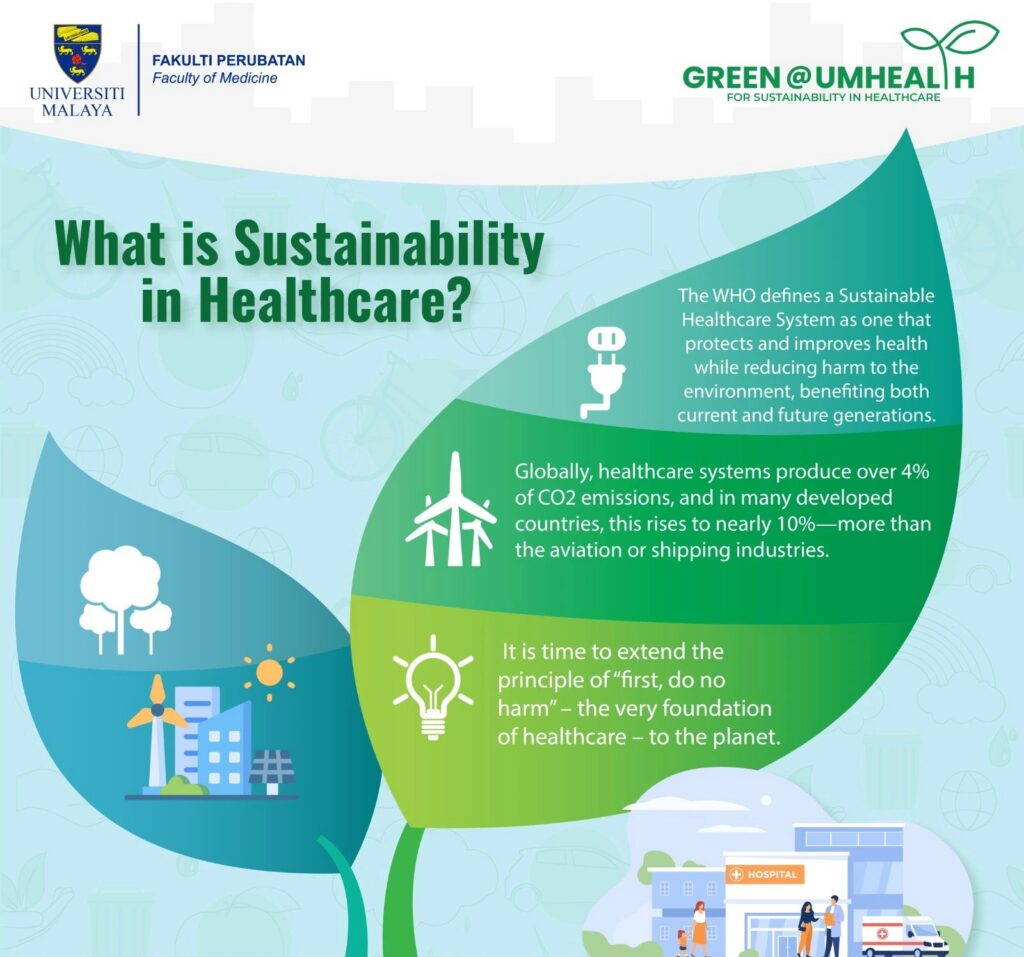
Green UM Health – What is Sustainability in Healthcare
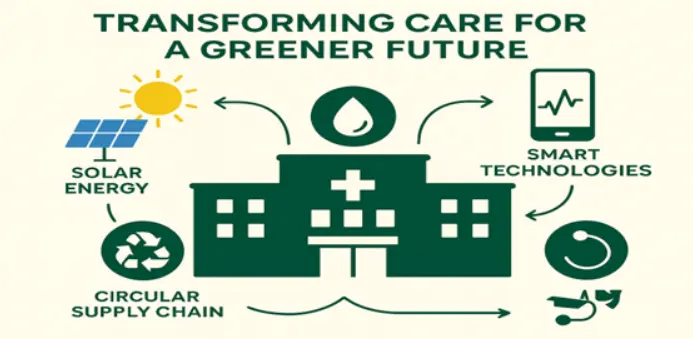
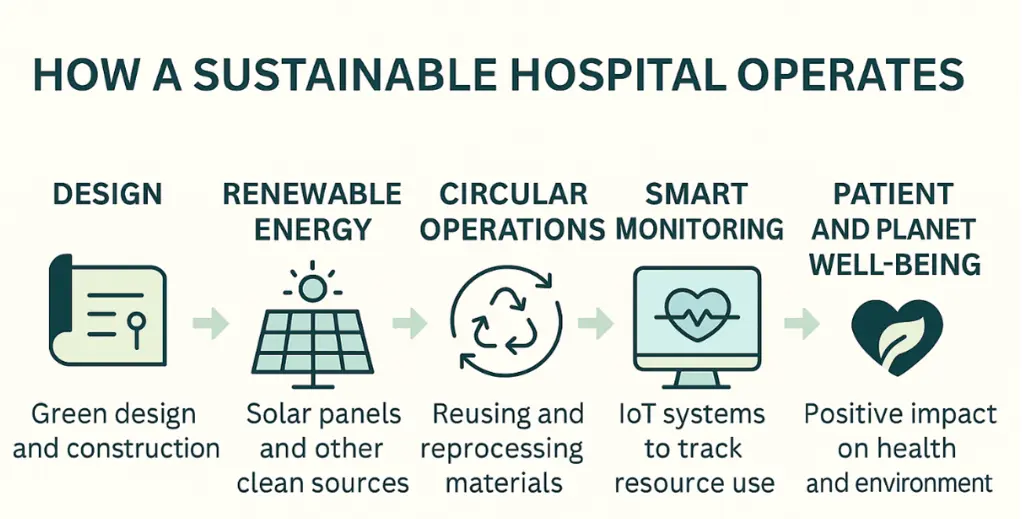
The physical spaces where we treat illness are also undergoing a radical redesign. The concept of Sustainable Healthcare Infrastructure in 2026 focuses on reducing the massive carbon footprint of hospitals while improving patient recovery rates. This is achieved through biophilic design and the integration of on-site food production. Modern hospitals in Scandinavia and the Netherlands are now being built with integrated greenhouses and vertical farms.
This Infrastructure of health uses circular energy systems, where the heat generated by medical equipment is recycled to warm the on-site greenhouses. Furthermore, these facilities prioritize natural light and access to green spaces, which have been scientifically proven to reduce the length of hospital stays. By building a Sustainable Healthcare Infrastructure, we are ensuring that the process of healing the patient does not result in the degradation of the environment.
Conclusion: A Resilient Future
In conclusion, the convergence of agriculture and health is the most significant development of the mid-2020s. Through the application of Precision Farming Systems, we are reclaiming the nutritional integrity of our food supply. By leveraging Personalized Nutrition Models, we are empowering individuals to take control of their biological destiny. All of this is facilitated by a Sustainable Healthcare Infrastructure that respects both human and planetary health. As demonstrated by the real-world success of Wageningen University & Research, the path to a healthy 2030 is paved with data, nature, and a commitment to systemic thinking.
Hungry for more insights? Dive into our blog to explore the latest trends in Agriculture, Manufacturing, Environment, and Health.
References
- World Scientific Connect → Innovations in precision agriculture and smart farming: Emerging technologies driving agricultural transformation;
- European Parliament → Precision agriculture and the future of farming in Europe;
- International Journal of Environment, Agriculture and Biotechnology → Precision Farming: A Review of Methods, Technologies, and Future Prospects;
- National Library of Medicine → Personalized Nutrition in the Era of Digital Health: A New Frontier for Managing Diabetes and Obesity;
- National Library of Medicine → Towards Green and Sustainable Healthcare: A Literature Review and Research Agenda for Green Leadership in the Healthcare Sector;
- University of Malaya → What is Sustainability in Healthcare?;
- BCC Research → Building a Sustainable Healthcare Infrastructure: Transforming Care for a Greener Future;#
- Farm of the future → Farming with a Future.