
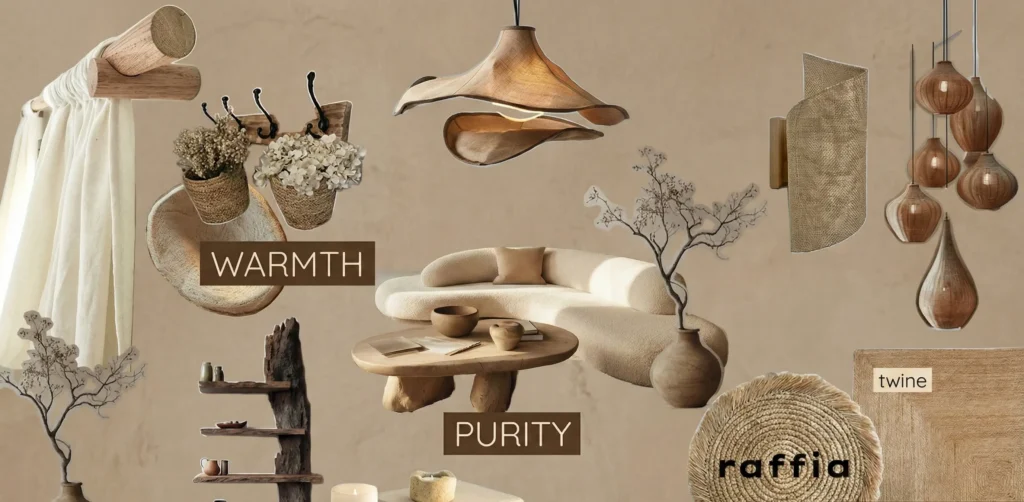
Sustainable living is no longer a trend, it is a global movement redefining the way people build, decorate, and inhabit their homes. In 2026, the rise of sustainable interior design marks one of the most powerful transformations in the world of architecture and home styling. Driven by climate responsibility, material innovation, and a new cultural appreciation for ethical consumption, eco-interior design becomes a dominant force shaping modern living spaces.
Homeowners want interiors that look beautiful, last longer, and reduce environmental impact. Designers search for materials that are renewable, non-toxic, energy-efficient, and responsibly sourced. The result is a new generation of eco friendly home designs that blend natural aesthetics, functionality, and sustainability.
This article explores the materials and principles that define the evolution of eco home interiors and how they transform the homes of the future.
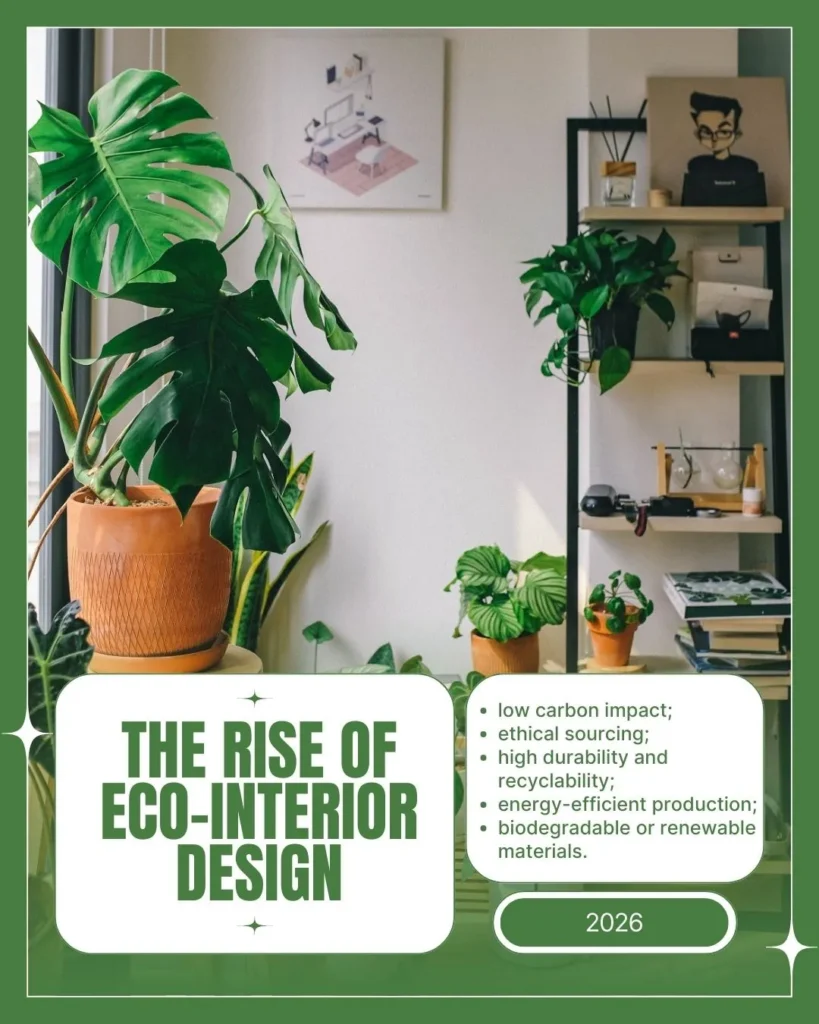
1. The Rise of Eco-Interior Design in 2026
Growing environmental concerns, resource scarcity, and global pollution push both designers and consumers toward smarter, greener choices. Eco-interior design in 2026 focuses on minimizing carbon footprint, reducing waste, and selecting materials that support long-term ecological balance.
Key principles shaping sustainable interiors include:
- low carbon impact;
- ethical sourcing;
- high durability and recyclability;
- energy-efficient production;
- biodegradable or renewable materials.
Consumers are increasingly aware of how furniture, paint, flooring, and textiles affect indoor air quality and the planet. This awareness fuels the expansion of sustainable interior design across both luxury and budget-friendly markets.
2. Natural Woods and Responsible Timber
Wood remains one of the most desired materials in interior design, but the emphasis in 2026 is on FSC-certified, locally sourced, and reclaimed wood.
Benefits include:
- reduced deforestation;
- lower transportation emissions;
- timeless aesthetics;
- high durability;
- compatibility with minimalist and eco styles;
Reclaimed wood, in particular, adds character and uniqueness to eco home interiors. Designers use it for floors, beams, shelving, and furniture, giving homes a warm, organic atmosphere while preventing waste.
3. Bamboo: The Champion of Fast-Renewable Materials
Bamboo is one of the fastest-growing plants on earth and a symbol of eco friendly home designs. By 2026, improved processing technology makes bamboo even more durable, water-resistant, and stylish.
Common uses:
- flooring and wall panels;
- kitchen cabinetry;
- furniture pieces;
- acoustic panels;
- decorative elements.
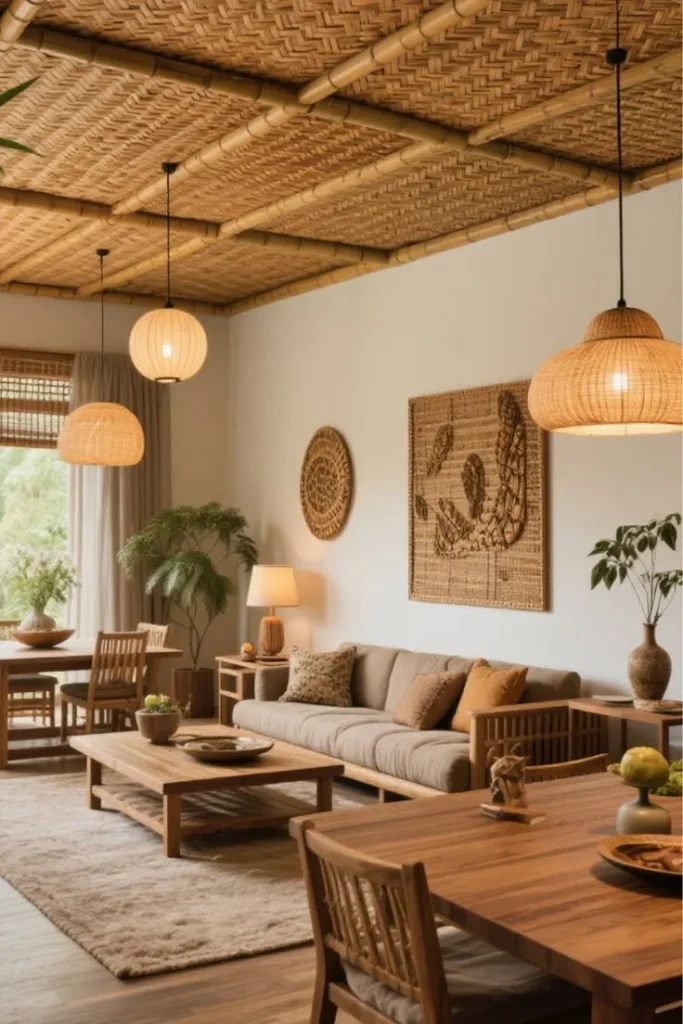
Its texture brings natural elegance, while its sustainability makes it a top choice for conscious homeowners.
4. Cork: Lightweight, Natural, and Sound-Absorbing
Cork is harvested from tree bark without cutting the tree, making it a highly renewable resource. In Eco-Interior Design, cork acts as:
- thermal and sound insulation;
- flooring material;
- wall coverings;
- furniture accents.
Its soft touch, warm tones, and natural imperfections create calming atmospheres essential for wellness-oriented living spaces.
5. Recycled Metals and Glass
Modern sustainable interior design embraces circular economy principles. Recycled aluminum, steel, and glass reduce energy consumption by up to 90% compared to producing new materials.
Designers use recycled metals for:
- lighting fixtures;
- cabinet handles;
- structural elements;
- decorative frames.
Recycled glass appears in:
- countertops;
- mosaics;
- decorative surfaces.
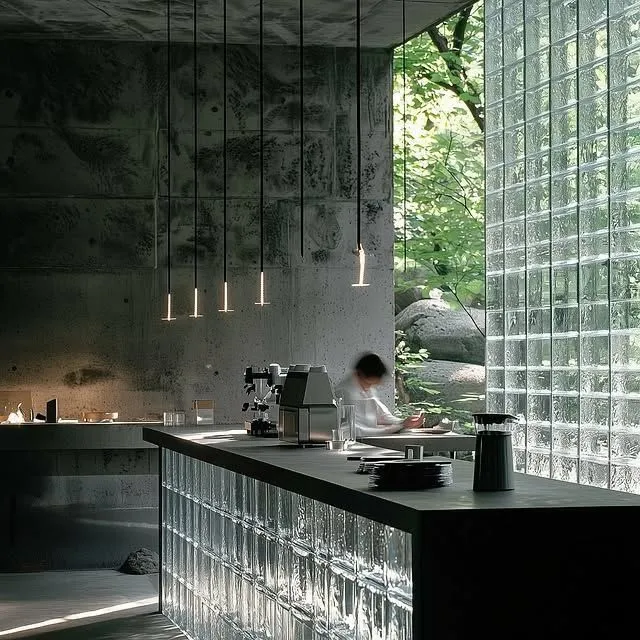
These materials add contemporary flair while supporting resource conservation.
6. Eco-Friendly Paints and Finishes
Traditional paints emit VOCs (volatile organic compounds) harmful to indoor air quality. Eco-interior design prioritizes:
- zero-VOC paints;
- natural mineral paints;
- clay and lime finishes;
- plant-based sealants.
They are healthier, longer-lasting, and offer beautiful matte textures ideal for serene living environments.
7. Organic Textiles and Natural Fibers
Fabric choices significantly impact eco home interiors. In 2026, designers prefer:
- organic cotton;
- hemp;
- linen;
- jute;
- wool;
- recycled polyester for durability.
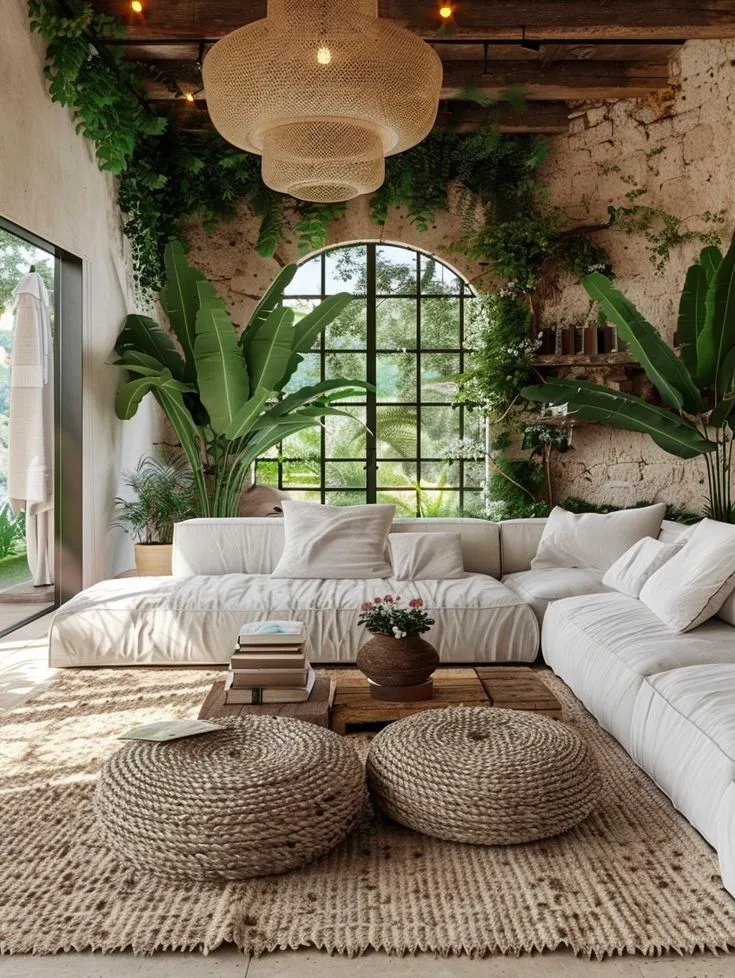
These textiles support comfort, breathability, and timeless design aesthetics. They work perfectly with Scandinavian, Japandi, and Mediterranean-inspired interiors.
8. Biophilic Design: Nature as a Core Element
Biophilic design remains one of the strongest interior design trends worldwide. It integrates natural forms, greenery, and organic patterns into living spaces.
Elements include:
- indoor gardens;
- vertical plant walls;
- natural light optimization;
- stone textures;
- flowing organic shapes.
This approach improves mental wellbeing, increases productivity, and strengthens the emotional connection between humans and nature.
9. Upcycled Furniture and Circular Design
Instead of discarding old furniture, eco-interior design encourages upcycling – transforming existing pieces into renewed, stylish, and functional elements.
Benefits:
- reduces landfill waste;
- preserves craftsmanship;
- adds personality;
- lowers environmental footprint.
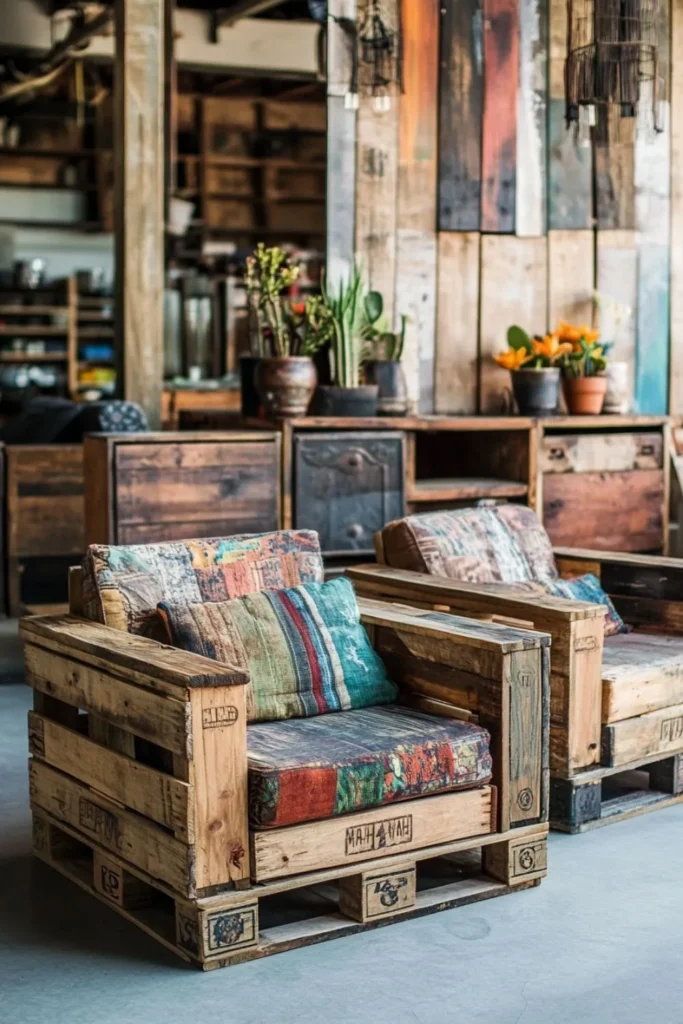
Circular design studios are gaining popularity, offering custom-made furniture crafted from reclaimed pieces.
10. Energy-Efficient Appliances and Smart Home Systems
Sustainability extends beyond materials. Eco friendly home designs integrate smart systems that reduce long-term energy consumption:
- automated lighting;
- smart thermostats;
- high-efficiency appliances;
- solar-powered devices;
- water-saving fixtures.
Smart homes become eco-homes when technology serves both comfort and responsibility.
Conclusion
The future of residential design lies in harmonizing beauty, functionality, and environmental responsibility. Through sustainable interior design, homeowners and designers embrace a lifestyle that respects nature while elevating everyday living.
Whether through reclaimed wood, organic textiles, bamboo, cork, recycled metals, or biophilic concepts, eco-interior design sets the foundation for homes that enhance wellbeing and protect the planet.
The new era of eco home interiors is not only stylish, it is essential.
Read more articles about interior design, environment, marketing, on our blog
References
- Radhika Varnam – Environmentally Sustainable Interior Design → https://www.researchgate.net/publication/368694098_Environmentally_Sustainable_Interior_Design;
- R Widayat and A B Studyanto – Utilization of natural resources in supporting eco-interior design → https://www.researchgate.net/publication/356242593_Utilization_of_natural_resources_in_supporting_eco-interior_design;
- Ali Alfuraty – Sustainable Environment in Interior Design: Design by Choosing Sustainable Materials → https://www.researchgate.net/publication/343585669_Sustainable_Environment_in_Interior_Design_Design_by_Choosing_Sustainable_Materials
- Econyl – 5 Reasons for Interior Designers and Architects to Use Sustainable Materials → https://econyl.aquafil.com/wp-content/uploads/2024/07/eBook_ECONYL_sustainable_Materials_2022.pdf;