
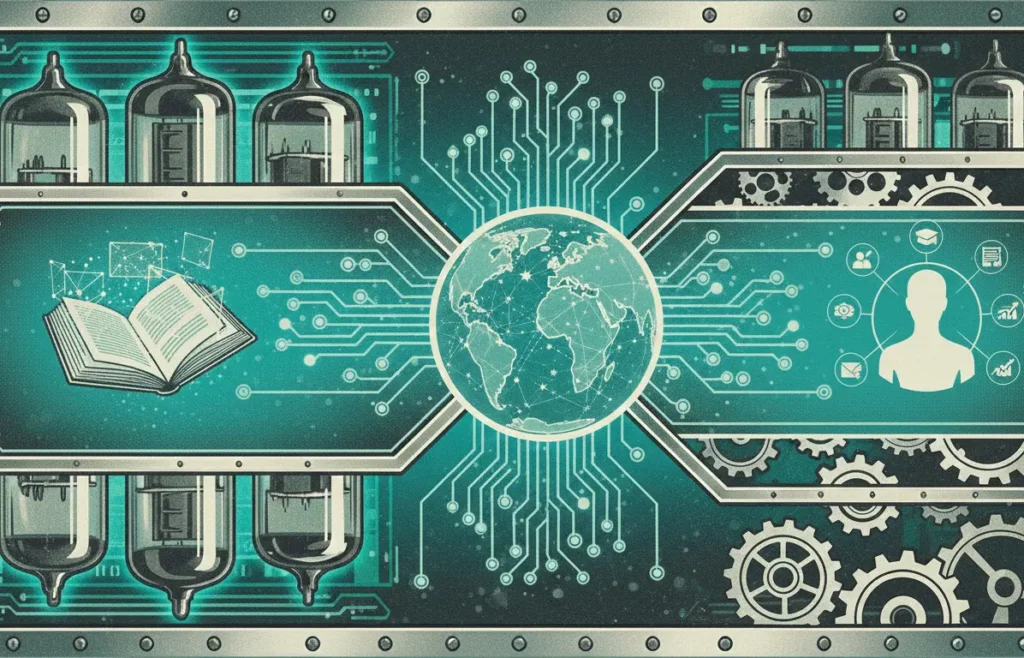
The landscape of 2026 is one where the lines between data science and personal finance have blurred into a single, cohesive discipline. As global markets transition toward decentralized protocols and AI-managed portfolios, the necessity for robust FinTech Literacy Programs has reached an all-time high. This educational shift is not merely about understanding digital wallets; it is about a fundamental change in how we perceive value and risk in a post-fiat era. To address the massive diversity in learner backgrounds, the industry has turned to Adaptive Learning Algorithms that tailor the educational experience to the specific needs of each individual. This technological bridge is essential for delivering the nuance required in Sustainable Investment Education, a field that now dictates how capital flows across the planet to combat climate change and social inequality.
1. The Literacy Gap in a Digital Age
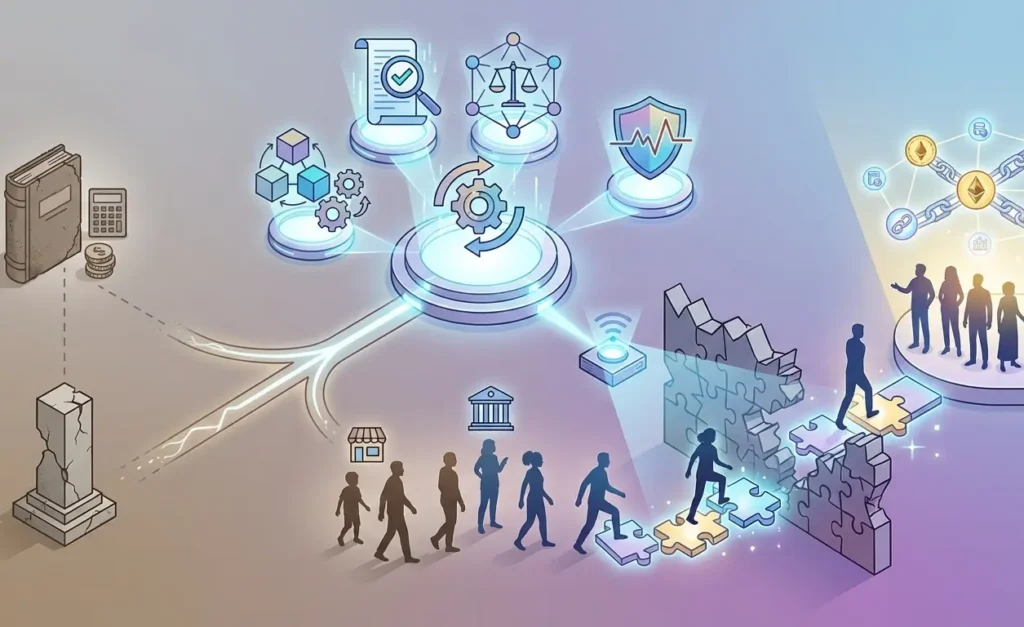
For decades, financial education was a static affair, often relegated to basic accounting and personal saving tips. However, the rise of tokenized assets and automated market makers has rendered that old curriculum obsolete. In 2026, the workforce requires a different set of tools. FinTech Literacy Programs have stepped in to fill this void, offering comprehensive modules on smart contract auditing, decentralized governance, and algorithmic risk management. These programs are no longer just for bankers, they are for everyone, from retail entrepreneurs to corporate treasurers who must manage multi-chain liquidity.
The challenge, however, is the “barrier to entry” for complex concepts. This is where the intersection of education and technology becomes vital. By breaking down high-level financial concepts into digestible, interactive simulations, these programs ensure that no one is left behind in the digital transition.
2. Precision Training via AI
The most transformative tool in the educator’s arsenal today is the use of Adaptive Learning Algorithms. In the past, a corporate training session would involve a generic seminar that bored some while overwhelming others. Today, these algorithms monitor a student’s progress in real-time, adjusting the difficulty and the medium of instruction. If a student shows a natural aptitude for the mathematical side of finance but struggles with regulatory theory, the system provides more case studies and visual breakdowns of legal frameworks.
This level of personalization is particularly effective in B2B financial services. When an investment firm needs to upskill its entire staff to comply with new global regulations, these algorithms ensure that every employee reaches the required competency level in record time. This precision reduces the “time-to-competence” and ensures that human capital is maximized across the organization.
3. Case Study: Santander Open Academy and the Oxford Partnership
One of the most concrete examples of this integration is the Santander Open Academy. This is not a theoretical project; it is a global initiative by Banco Santander that has already provided millions of scholarships and training modules to students and professionals in Europe, Latin America, and beyond. In 2026, the academy has expanded its reach by partnering with the University of Oxford to offer specialized certifications in digital finance.
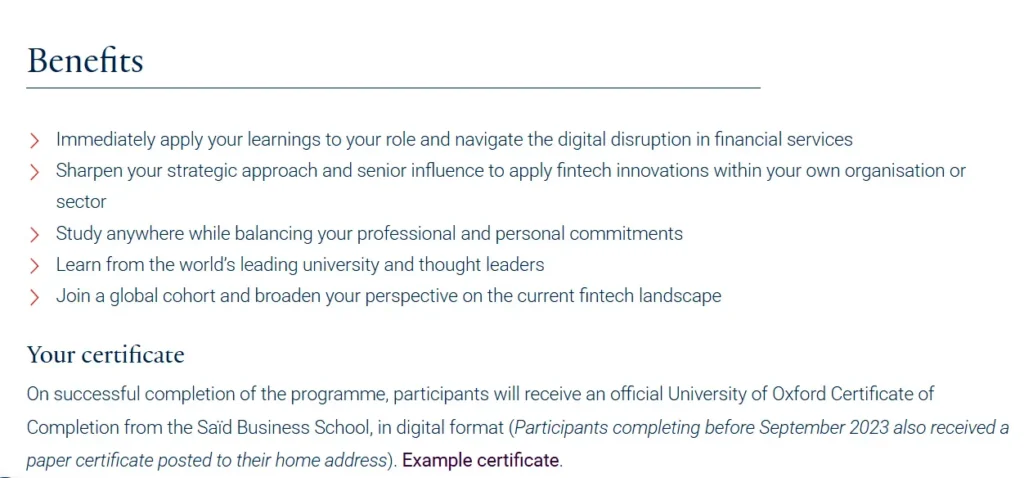
The brilliance of this real-world example lies in its use of Adaptive Learning Algorithms. When a professional from a small enterprise in Spain or a bank manager in Poland signs up for the “Digital Finance for Leaders” course, the platform doesn’t give them a static list of videos. Instead, the system uses diagnostic tests to identify their level of technical proficiency. If the user understands the basics of ledger technology but struggles with the ethics of AI in lending, the algorithm automatically prioritizes ethics modules and provides case studies relevant to their specific region. This ensures that the training is hyper-relevant, reducing the time spent on redundant information by nearly 35%.
4. The Moral Compass of Modern Finance
As we reach the middle of this decade, the conversation has shifted toward the ethics of money. Sustainable Investment Education is no longer a “feel-good” elective, it is a regulatory requirement. Investors are now legally obliged to understand the carbon impact of their trades. Educational platforms have integrated real-time carbon tracking into their dashboards, allowing learners to see how a single investment in a traditional energy sector could trigger a series of environmental feedback loops.
This is where the Adaptive Learning Algorithms provide their greatest value. By simulating various “future-world” scenarios, they help students see the long-term consequences of today’s financial decisions. This creates a psychological shift, moving the focus from short-term quarterly gains to multi-generational wealth preservation.
5. Corporate Synergy and B2B Financial Services
In the business-to-business sector, the “Product-as-a-Service” model has evolved into “Expertise-as-a-Service.” Financial institutions are now bundling educational access with their software suites. When a company signs up for a new treasury management system, they also receive access to bespoke FinTech Literacy Programs for their finance teams. This ensures that the client can actually utilize the advanced features of the software, reducing churn and increasing the overall value of the contract.
Furthermore, the B2B sector has seen a surge in “Collaborative Learning Environments.” Using VR and AI-driven tutors, teams from different global branches can meet in a virtual space to solve complex financial puzzles. These simulations are powered by the same Adaptive Learning Algorithms that individual students use, ensuring that the group’s collective knowledge grows at an optimal rate.
6. The Future of Global Financial Literacy
Looking toward the end of the decade, the goal of the global financial community is universal access. By 2026, mobile-first education has reached rural communities across the globe. A farmer in Kenya can access the same FinTech Literacy Programs as a trader in London, provided they have a basic smartphone. This democratization of knowledge is the ultimate equalizer, allowing for a more stable and predictable global economy.
The continuous refinement of Adaptive Learning Algorithms will ensure that as finance becomes more complex, the tools to understand it will become more intuitive. We are moving toward a future where the “complexity gap” is closed by AI-assisted education.
Conclusion: Synthesizing Wealth and Wisdom
In conclusion, the intersection of finance and education is the defining feature of our current economic era. The widespread adoption of FinTech Literacy Programs has empowered individuals and businesses alike to take control of their digital destiny. Through the power of Adaptive Learning Algorithms, we have moved away from the outdated “factory model” of education toward a fluid, personalized experience that respects the learner’s time and potential. Ultimately, the health of our global markets depends on our commitment to Sustainable Investment Education. By ensuring that capital is guided by knowledge and ethics, we are building a world that is not only wealthier but also more resilient and just. The synergy of these tools is our best hope for a prosperous 2030 and beyond.
Read more articles about finance, IT & AI , environment, marketing, education and more.
References
- CFA Institute → Resources for professional learning;
- Yang, J. → Study of an Adaptive Financial Recommendation Algorithm Using Big Data Analysis and User Interest Pattern with Fuzzy K-Means Algorithm;
- Oxford Fintech Programme → Lead in the future of financial services;
- World Journal of Advanced Research and Reviews → Financial literacy and its role in promoting sustainable investment;
- Smart Dev → AI-Powered Financial Modeling – Smarter Insights, Faster Decisions.