

Adult learning evolves faster today than at any other time in modern history. Adults’ expectations for education, the skills they seek, and how they learn, have all changed as a result of social change, workplace transformation, digital shifts, and global mobility.
Education for adults requires lifelong learning, digital inclusivity, and flexible pathways that support citizenship, employability, and personal growth, according to UNESCO’s global documents on adult learning.
Unlike children, adult learners arrive with rich experiences, established beliefs, and immediate goals. They expect learning to be relevant, efficient, respectful, and directly applicable. The question is no longer “How do adults absorb information?”, but “How do we design meaningful learning experiences tailored to real adult needs?
This guide offers an actionable framework of effective teaching strategies in adult learning 2026. It integrates:
- How to choose/find the right approach;
- How to enhance your teaching methods;
- Principles of adult learning;
- Practical field secrets from expert educators;
- Modern teaching strategies.
Choose Your Teaching Approach
Start with the learner, not the method, before choosing methods, ask:
What problems do these adults want to solve?
What pressures and opportunities shape their lives?
The five steps listed below will assist you in analyzing your objectives and context in order to choose the best teaching methods for your students.
| Step | Questions and Action |
| 1 | Define Your Learning Objectives Clearly Start by identifying exactly what you want your learners to achieve. Ask yourself: ✔Do I want to help them acquire information or knowledge? ✔Do I aim to change attitudes or values? ✔Do I need to help them develop specific skills or performance abilities? ✔Do I intend to combine these outcomes? Each type of learning objective requires different teaching approaches. |
| 2 | Identify What kind and level of learning is required? After setting the learning outcomes, determine what type and what level of knowledge, skills, or attitudes are necessary. This helps match the educational method to the depth and complexity of learning required. For example, introductory knowledge may need simpler explanatory methods, whereas skills development may require hands-on or practice-based approaches. |
| 3 | Analyse the Situation and Context Evaluate the constraints and realities that might influence your teaching method. Consider the following: Target population – Who are the learners?: ✔ Are they familiar with the methods you plan to use? ✔ Have they experienced them before, and if so, was it a positive experience? ✔ Will they feel comfortable and receptive to the selected methods? ✔ Do you need to introduce new methods gradually so learners do not feel threatened or overwhelmed? Learners differ in abilities, backgrounds, and attitudes. Some prefer participatory learning (discussion, group work, projects), while others are more comfortable with direct, teacher-led instruction. Understanding these preferences helps you choose the most effective method. Group size Participatory methods may be less effective with very large groups!!! Think about: How many learners will I teach? Time How much time do you have? Time influences whether you choose shorter, more focused methods or longer, more exploratory approaches. Expectations and norms ✔ Are learners comfortable with the methods you want to use? ✔ Do they have expectations about how the session should run? ✔ Are their expectations realistic? Discuss these aspects openly and reach alignment before starting. Resources: ✔ What instructional materials and tools do you have available? ✔ What are your strengths as an educator? Use techniques that align with your strengths and introduce new methods gradually. |
| 4 | Choose Between ‘Teacher-Tell’ and Discovery Methods Once steps 1 and 2 are completed, decide whether: ✔ you will present information directly (“teacher-tell”), or ✔ you will use discovery-based methods that allow learners to explore and find answers independently. The best choice depends on prior learning, available time, and group size. |
| 5 | Select the Educational Method and Determine the Group Size After completing the previous steps, you can now select the method that best fits the goals, the level of learning required, and the teaching context. At this point, confirm how group size will affect the chosen method and make any necessary adjustments. |
Enhance Your Teaching methods
The most effective teachers in 2026 improve their strategies by developing flexible learning environments that encourage both autonomy and teamwork, matching methods to learner needs, and designing instruction visually.
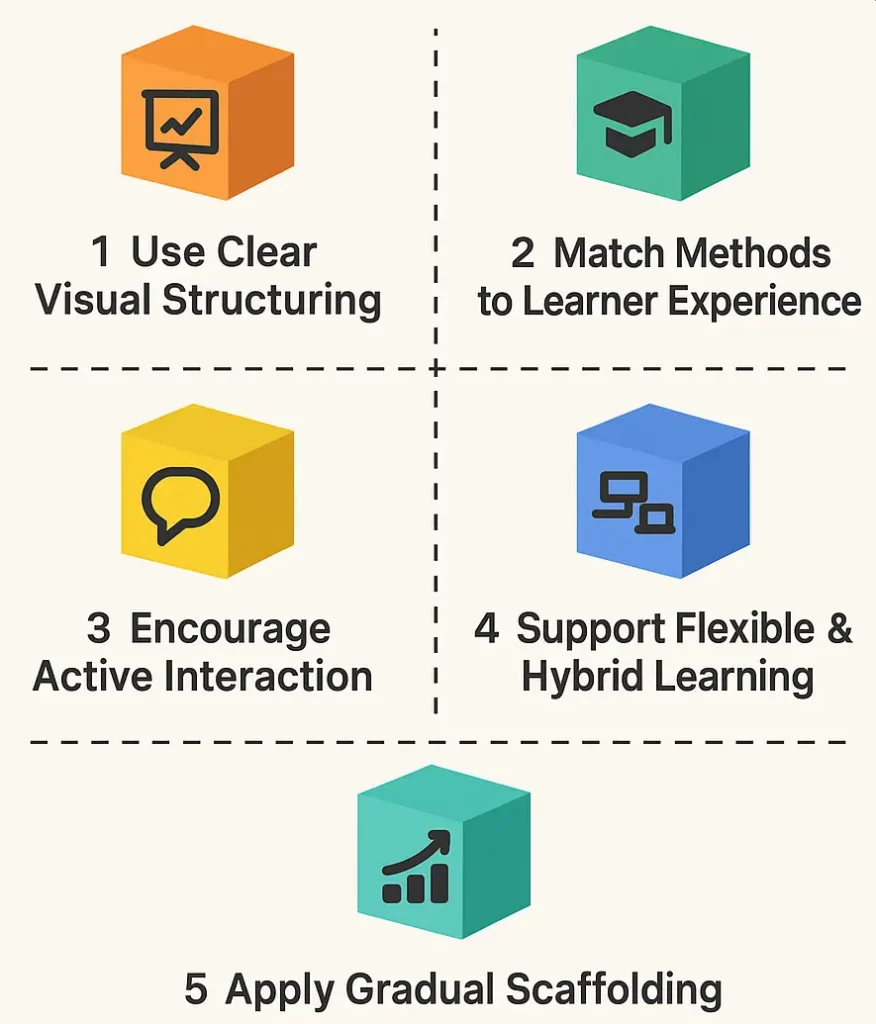
- Use Clear Visual Structuring
Present concepts through visual outlines, conceptual maps, or structured frameworks. This helps adult learners grasp relationships between ideas, reduces cognitive load, and makes complex content easier to navigate.
- Match Methods to Learner Experience
Choose teaching strategies based on how familiar learners are with the subject:
- Beginners benefit from step-by-step guidance, structured instruction, and clear direction.
- Experienced learners progress faster through case-based learning, analysis, and independent exploration.
This alignment ensures relevance and maintains learner confidence.
- Encourage Active Interaction
Encourage research, dialogue, reflection and peer interaction. When adults are able to relate new information to their personal experiences, test concepts through discussion, and consider different viewpoints, they learn more efficiently.
- Support Flexible and Hybrid Learning
Provide a variety of short modular tasks, synchronous and asynchronous activities, and materials that are always available. Adults who are flexible can maintain consistent progress while combining their personal and professional obligations with their education.
- Apply Gradual Scaffolding
Introduce new or more complex learning methods progressively. Provide early support, model processes, and reduce guidance as learners gain confidence. This approach helps adults adapt without feeling overwhelmed.
Principles of Adult Learning
- Adults Are Self-Directed Learners
Adults want freedom to explore, skip, revisit, and personalize content. Good teaching provides structure without controlling them.
- Experience Is Their Greatest Learning Asset
Adults bring decades of:
- professional practice;
- failures;
- relationships;
- cultural experiences.
Good teaching uses their experience as material, not as an obstacle.
- Adults Learn What They Can Use Immediately
They prefer problem-solving, simulations, scenarios, how-to guides, and case studies. This is why practical content outperforms theory for adults.
- Adults Learn When They Understand the “Why”
Before teaching a concept, explain:
- its relevance;
- its application;
- the benefits.
When adults see purpose, cognitive resistance disappears.
- Adults Prefer Respectful, Collaborative Environments
They reject hierarchical, authoritarian teaching styles. They want to feel:
- heard;
- validated;
- equal;
- respected.
Group collaboration, dialogue, and open discussion fit perfectly here.
15 Secrets for Adult learning
| 1. Make Every Lesson Relevant | Never teach because the curriculum says so. Teach because adults need it today. |
| 2. Replace Theory With Storytelling | Adults respond instantly to: ✔real stories; ✔business scenarios; ✔case studies; ✔personal examples. Stories make complex ideas digestible. |
| 3. Break Information Into Small, Manageable Pieces | Adults are busy. Chunk content into: ✔5–10 minute micro-sessions; ✔short hands-on tasks; ✔concise guides. |
| 4. Activate Participation Early and Often | Use questions, exercises, surveys, or conversations to start the meetings. Before you teach, get them to speak. |
| 5. Use Their Life Experience as Fuel | Ask students to share their prior knowledge. Connect new ideas with well-known ones. |
| 6. Diversify Teaching Formats | Use: ✔ visuals; ✔ practice; ✔ reading; ✔ group tasks; ✔ quizzes; ✔ debates. Diversity fights boredom. |
| 7. Be Visual — Adults Think in Images | Charts, diagrams, flow maps, mind maps, and visuals boost understanding. |
| 8. Promote Exploration and Self-Discovery | Offer optional challenges, readings, or independent tasks. Adults love freedom. |
| 9. Encourage Questions | Questions show engagement, not disrespect. Create a safe space for curiosity. |
| 10. Give Constructive, Immediate Feedback | Adults want to know how to improve now, not weeks later. |
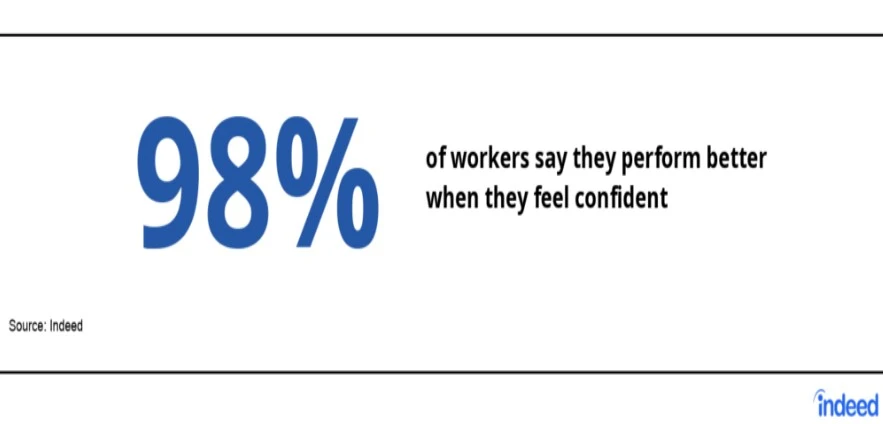
| 11. Build Confidence, Not Pressure | Many adults experience anxiety when they go back to school. Use supportive language and positive reinforcement. |
| 12. Keep Flexibility at the Core | Permit deadline extensions, asynchronous work, and different formats. Adults balance their families and careers. |
| 13. Unite Passion With Professionalism | Your energy directly influences theirs. Passion = engagement. |
| 14. Focus on Real-World Problem Solving | Transform tasks into practical scenarios. Adults want to solve problems, not memorize theory. |
| 15. Make Learning Enjoyable | Humor, relaxed discussions, gamification – adults also learn better when enjoying the process. |
Top 5 strategies that truly work
Strategy 1 — Active Learning: Turn Learners Into Participants
Adults stay engaged when doing, not just listening.
Use:
- interactive exercises (learners solve a short problem together in breakout groups);
- peer teaching (each learner explains one concept to a partner or small team);
- role-playing (simulate a client conversation or a workplace conflict);
- polls (real-time voting on decisions, beliefs, or predictions);
- debate (split into two sides and argue contrasting viewpoints on a case).
Strategy 2 — Experiential Learning: Learn by Doing
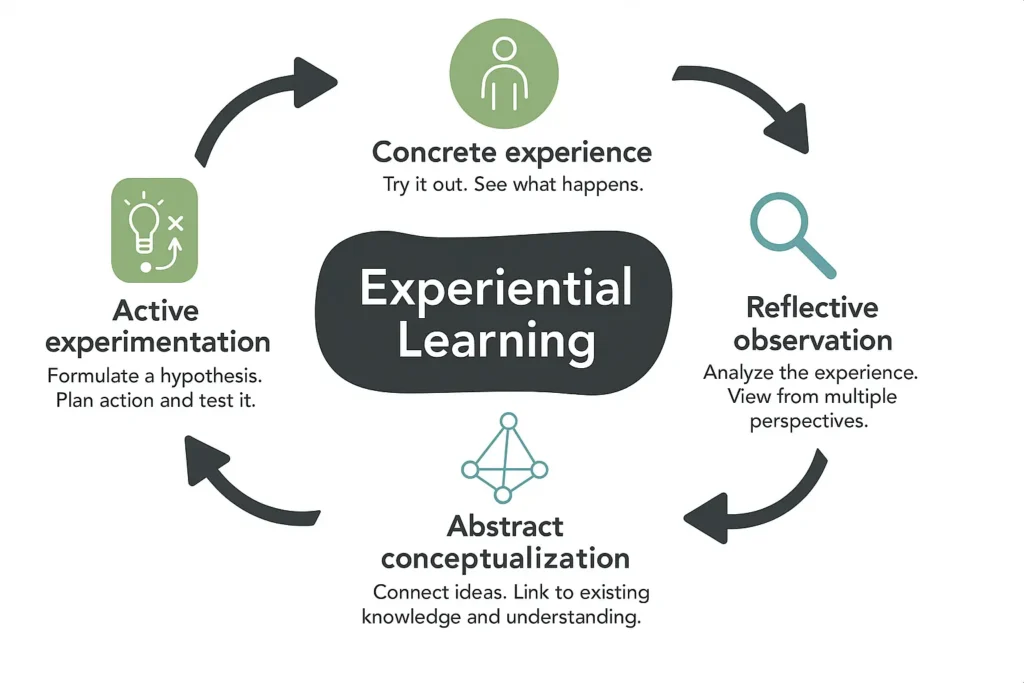
One of the most powerful strategies in adult education because it mirrors workplace dynamics.
- simulations (a mock negotiation, safety procedure, or software workflow);
- job-related projects (creating a real report, designing a small prototype);
- hands-on tasks (practicing a tool, assembling a component, completing a real task);
- scenario-based learning (“Imagine your client rejects your proposal — what steps follow?”).
Kolb’s experiential cycle fits perfectly: do → reflect → conceptualize → apply.
Strategy 3 — Problem-Based Learning: Teach Through Real Problems
Adults thrive when faced with authentic, urgent challenges.
Example: Fix this process, Solve this client problem, Plan a real project.
Strategy 4 — Self-Directed & Microlearning Pathways
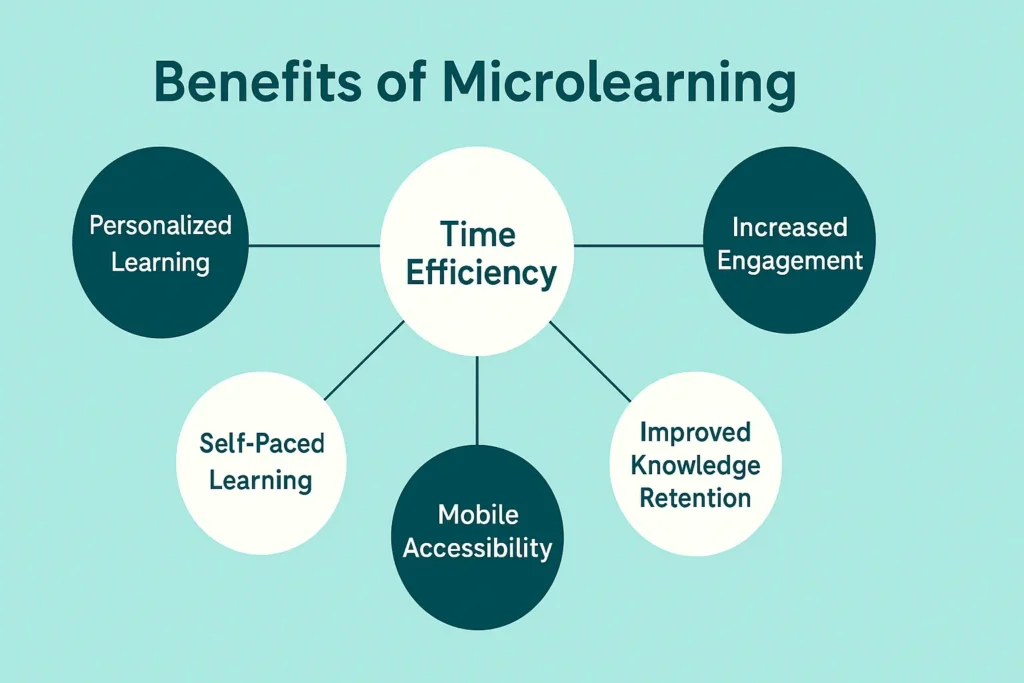
Highly aligned with adult autonomy. Tools include:
- self-paced modules (short 5-minute lessons learners can complete anytime);
- microlearning units (short videos, quick quizzes, infographics and visuals, modular content);
- optional deep-dive lessons (additional reading/video for those who want extra depth);
- blended learning (online + live).
Strategy 5 — Collaborative Learning & Mentorship
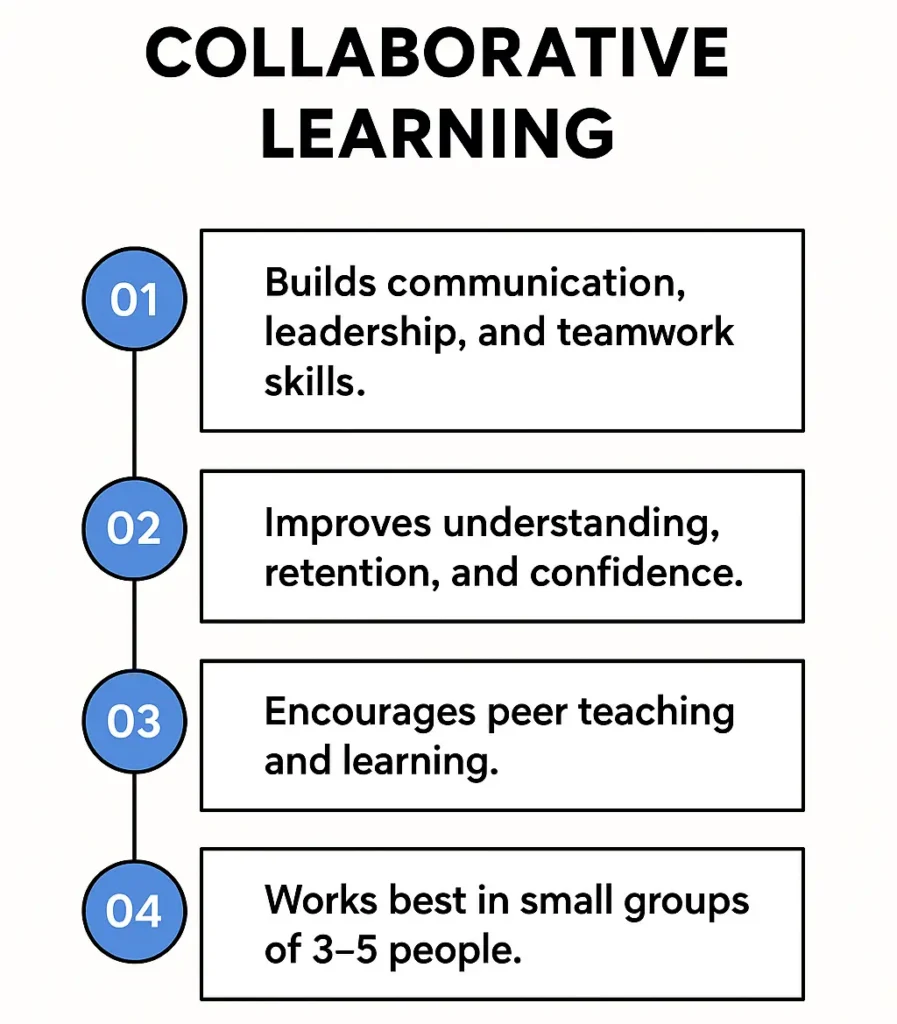
Adults learn best when:
- exchanging experiences (sharing personal cases or stories relevant to the topic);
- discussing challenges (groups analyse a problem one member is currently facing);
- receiving guidance from mentors (short coaching sessions with an experienced practitioner);
- participating in peer groups (small teams that meet weekly to review progress).
Collaboration transforms a course into a learning community.
Conclusion
Effective teaching strategies for adult learners in 2026 require a combination of scientific strategy, empathy, structure, and adaptability. You can create transformative learning experiences that affect careers, communities, and personal growth by beginning with a learner-centered approach, applying the principles of andragogy, utilizing tried-and-true field secrets, adopting the most effective strategies, and continuously improving your methods.
Adult education is no longer about delivering information – it is about enabling meaningful change.
References
- Rott K. J. – Transforming Adult Learning in the Digital Age (2024): https://www.tandfonline.com/doi/full/10.1080/02601370.2024.2367395;
- Baumgartner L. M. – Adult Learning: A Multifaceted Endeavor (2024): https://onlinelibrary.wiley.com/doi/full/10.1002/ace.20550;
- Grotlüschen A. – Adult Learning and Education within the Framework of Lifelong Learning (2023): https://www.dvv-international.de/fileadmin/files/Inhalte_Bilder_und_Dokumente/Materialien/IPE/IPE_81_ALE_within_Framework_04-2023_web.pdf;
- OECD – Trends in Adult Learning (2025): https://www.oecd.org/content/dam/oecd/en/publications/reports/2025/06/trends-in-adult-learning_f0d8514f/ec0624a6-en.pdf;
- Unesco – Exploring different approaches to teaching adults: https://unesdoc.unesco.org/ark:/48223/pf0000245099 .