
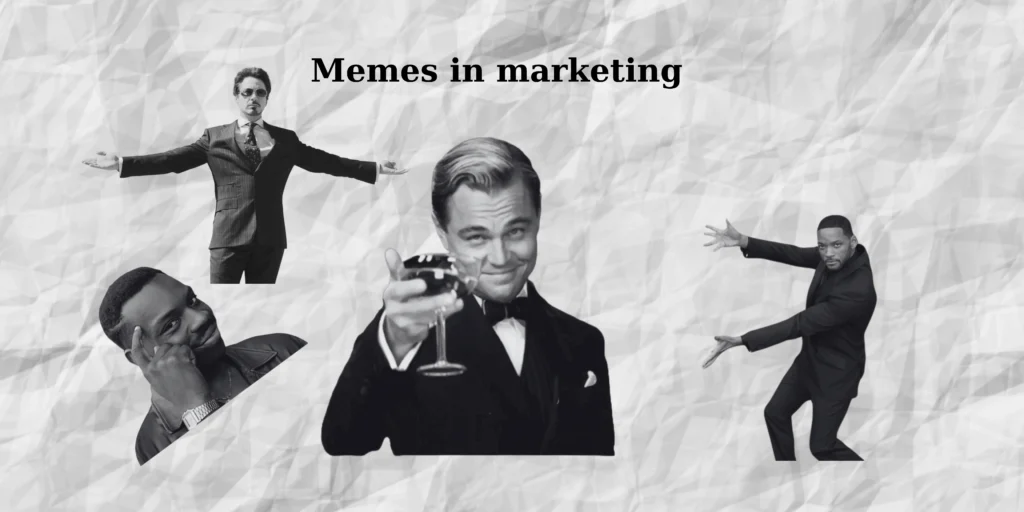
Meme – a cultural idea (phrase, behaviour or style) that spreads by means of imitation from person to person often representing shared emotions, humor, or social commentary.
An internet meme is a cultural idea (phrase, behaviour or style) that spreads across the internet, mainly through social media platforms. Internet memes appear in various formats, including images, videos, GIFs, and other forms of viral content.
Why do memes work so well in the digital age?
Humor has always been a part of human communication – people love sharing jokes, clever wordplay, and funny stories. Memes simply bring that same joy into the digital space, turning humor into a fast, visual, and highly shareable form of connection.
The rapid evolution of the Internet and social media has transformed the way people share humor and ideas. Today, anyone can create or spread funny content within seconds, and memes have become the most dynamic form of this digital exchange. Their simplicity and immediacy make them easy to consume, relatable, and highly engaging – perfect for the fast rhythm of online communication.
Most meme trends begin organically. One person posts a clever image or comment that captures a shared feeling or cultural moment. When others identify with it, they start resharing and reinterpreting it in their own way. Platforms like Instagram, Facebook, and TikTok amplify these creations, allowing a single joke to evolve into countless variations. In this way, memes have grown from small jokes into a global language of humor, creativity, and social commentary.
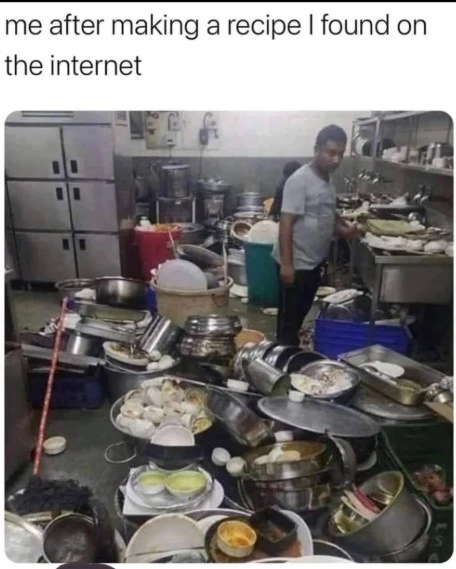
Here is an internet meme example:
Why do memes work in marketing?
Because memes blend humor, emotion, and cultural relevance in a way that traditional advertising rarely does, they have emerged as one of the most powerful tools for contemporary marketers. Memes have much more potential than just making people laugh, when used properly, they can humanize a brand, build community, and encourage interaction
- Connect emotionally with your audience
Memes draw on common feelings and experiences. People immediately identify with a meme that captures an emotion or thought they’ve had, resulting in connection with your brand. This emotional connection helps convert infrequent viewers into devoted followers.
- Encourage sharing
Memes are inherently shareable. People repost them to express themselves, to entertain others, or simply to join a conversation. This organic sharing expands your reach without additional advertising costs – a powerful form of word-of-mouth marketing in the digital age.
- Target niche communities
Each meme format or theme connects with a particular online group. By adjusting memes to match the interests and language of a specific community, your brand can reach audiences that traditional marketing often overlooks. This approach builds stronger cultural ties.
- Show the human side of your company
Memes help break the corporate image barrier. They allow brands to speak in a more relaxed, human tone – relatable, funny, and approachable. This shift builds trust and shows that your company understands the culture of its audience.
- Boost engagement and build community
A well-made meme encourages reactions, comments, and discussions. Over time, these interactions build a sense of belonging and transform passive audiences into active brand communities.
- Positive ROI and strategic flexibility
Memes are almost free to create and need more creativity than money. This means that any engagement or brand awareness they generate directly improves your ROI. Additionally, memes can fit into larger marketing strategies, from product launches to social campaigns. They help communicate key messages, increase visibility, and make your brand more memorable.
How to Determine the Right Meme Marketing Strategy for Your Company
A successful meme marketing strategy involves more than just funny images. It involves knowing your audience, ensuring your humor matches your brand voice, and delivering culturally relevant content with authenticity. Here’s how to put the right plan together for your business:
- Understand your audience
All good memes strategies start with knowing your audience. Do a little research on your audience’s age, interests, and where they like to hang out on social media. Not every audience responds to the same humor – you might find what appeals to Gen Z on Tik Tok isn’t all that relatable or funny to professionals on LinkedIn.
- Match the tone of your brand
While humor is engaging, not every meme suits every brand. Determine if the humor fits within your company’s identity and values. Some brands can afford a bold and playful tone, while others may need to communicate humor in a more subtle, refined way. The goal is to deliver humor while maintaining legitimacy and trustworthiness.
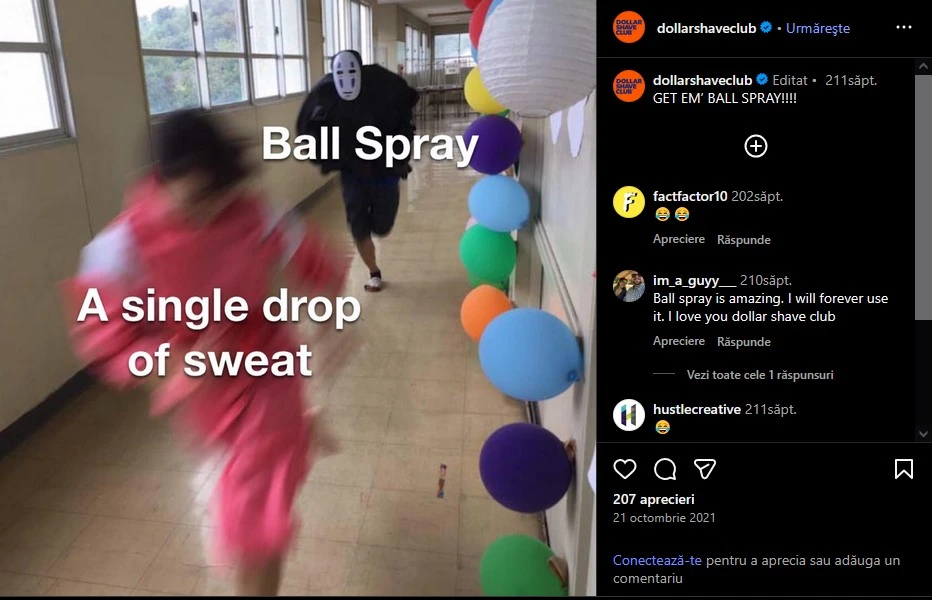
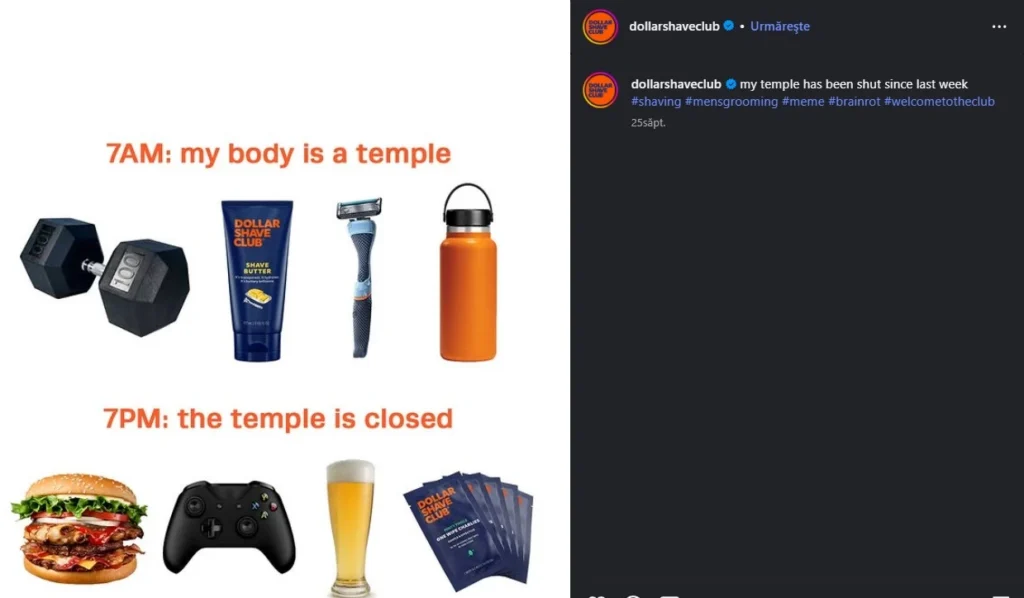
(Company: Dollar Shave Club)
Industry: Men’s grooming and personal care
Source: Dollar Shave Club Instagram
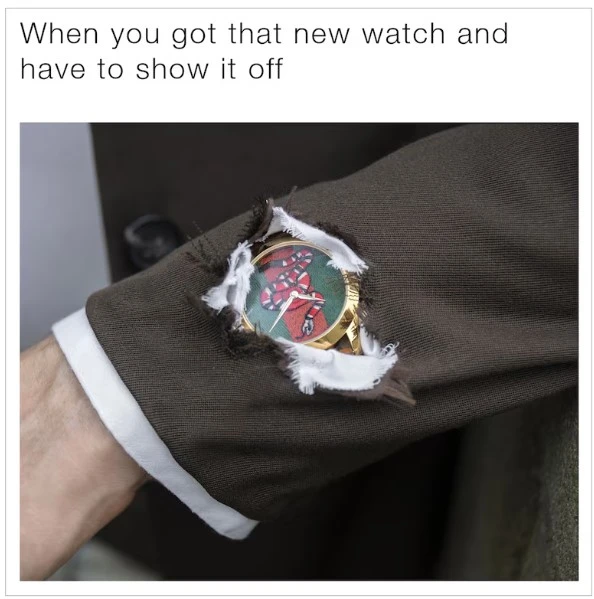
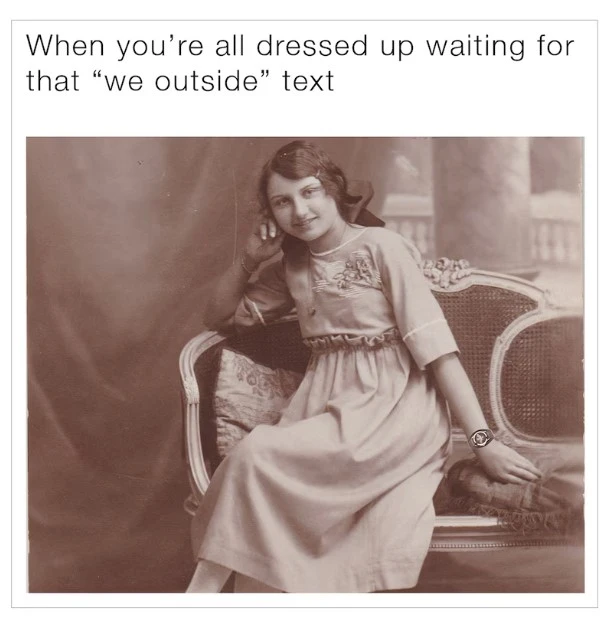
(Company: Gucci)
Industry: Fashion
Source: Gucci website
- Choose the right platforms and formats
Meme culture varies between platforms. Instagram and TikTok prefer short, visual humor. Reddit and X (Twitter) focus on wit and commentary. Change the meme’s tone, format (image, video, GIF), and caption style to suit the platform.
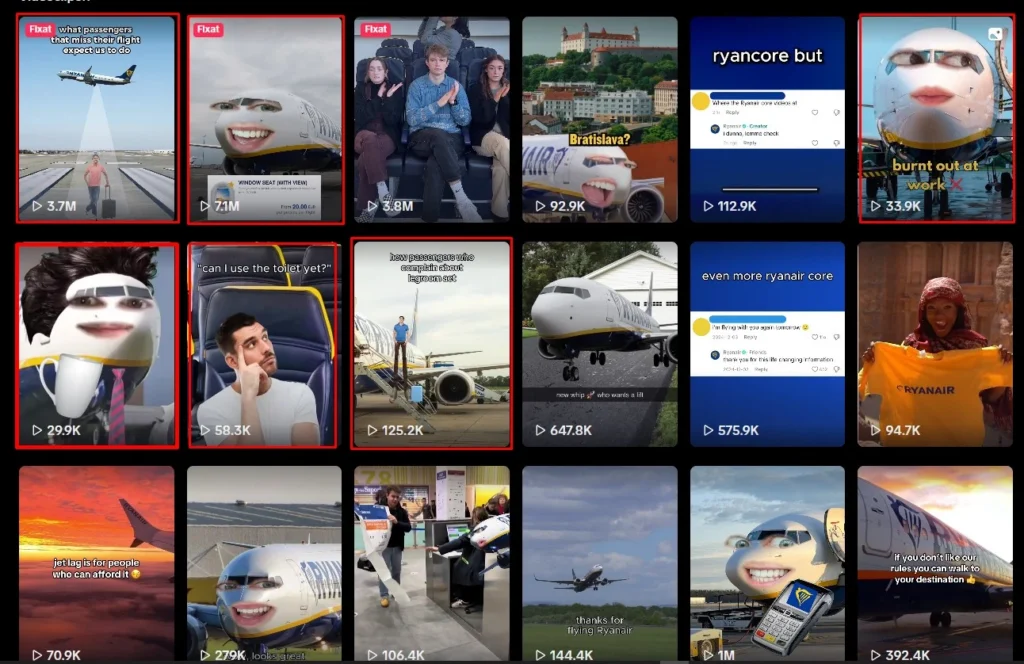
(Company: Ryanair)
Industry: Airline group
Source: Ryanair Tik tok
- Set clear objectives and KPIs
Decide what you want to achieve: more engagement, brand awareness, or community growth. Track measurable metrics such as likes, shares, comments, and reach to evaluate your meme campaign’s success.
- Keep the brand message visible
A meme should be entertaining while also conveying your message or personality. If the humor takes over your brand, the meme loses its purpose. Make sure each meme fits with your current campaign themes.
- Monitor and refine
Examine audience responses to determine the most effective memes. Keep an eye on sentiment, shares, and comments to adjust your content. As meme culture changes swiftly, so should your approach.
- Evaluate risks and maintain boundaries
Avoid memes that could be interpreted as offensive, outdated, or culturally insensitive. Consistency and respect are essential to maintaining your brand’s integrity.
Risks and Common Mistakes
Although meme marketing has the potential to be an impactful and low-cost strategy, it can also have significant pitfalls when not used with care. Given that memes are largely built around timing, context, and cultural consciousness, a small misstep can quickly turn into negative publicity Knowing what mistakes brands make can help them stay authentic and avoid backlash.
- Audience mismatch
Before launching meme-based campaigns, brands should assess whether their audience is familiar with or receptive to humor, irony, or pop culture references.
- Ignoring cultural and social sensitivity
If a brand uses a reference that its audience doesn’t know about (or something that is outdated), the post fails to connect. Being informed and aware of the context is crucial to avoid being perceived as tone-deaf.
- Overlooking brand–audience alignment
If the humor does not seem true to the personality of the brand, it can become forced or unprofessional. Meme marketing should make the brand more relatable, but not alter its representation.
- Treating memes as a tactic, not a strategy
One of the most repeated criticisms is that companies sometimes treat memes as a quick fix rather than part of a larger strategy.
Memes should support clear marketing goals, such as engagement, awareness, or brand voice, not replace them. They are tools, not strategies by themselves.
- Forcing humor or trying too hard
When a business communicates with a tone that doesn’t naturally align with a meme, in many instances it “feels” artificial. Audiences can often tell when a brand is trying too hard to be “funny”, or trying too hard to be “trendy”. Authenticity and appropriateness should come first, and it is more appropriate than being “viral”.
- Overusing memes in communication
A steady stream of memes may dilute professionalism and make your content predictable. Balance meme posts with educational, informative, or storytelling content to keep your communication diverse and engaging.
Successful Meme Marketing Examples
Around the world, a lot of well-known brands use meme marketing. From Leonardo Dicaprio memes to Spirited Away memes, brands never pass up a chance. Let’s examine some of meme marketing examples:
- Netflix
To strengthen its connection with younger viewers, Netflix regularly employs memes related to its series and popular culture events. For instance, in order to appeal to its audience of people under 35, the streaming service used scenes from its shows, like You in image-based memes.
Take-away: Memes worked here because they leveraged existing content (the show) and hit the cultural humour note for the target audience.
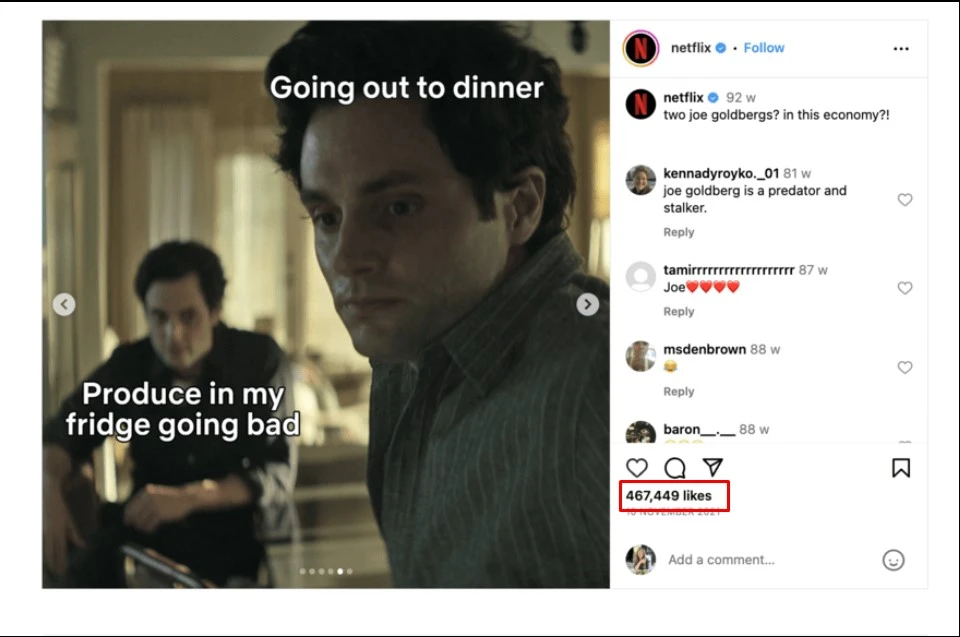
(Company: Netflix)
Industry: Entertainment, mass media
Source: Netflix Instagram
- Gucci
Gucci’s #TFWGucci campaign achieved much higher engagement than average by enlisting meme-creators to reinterpret their luxury branding into meme culture.
Take-away: Luxury brands can succeed with memes when they adapt the format in a manner consistent with brand identity, showing meme marketing isn’t only for “casual” brands.
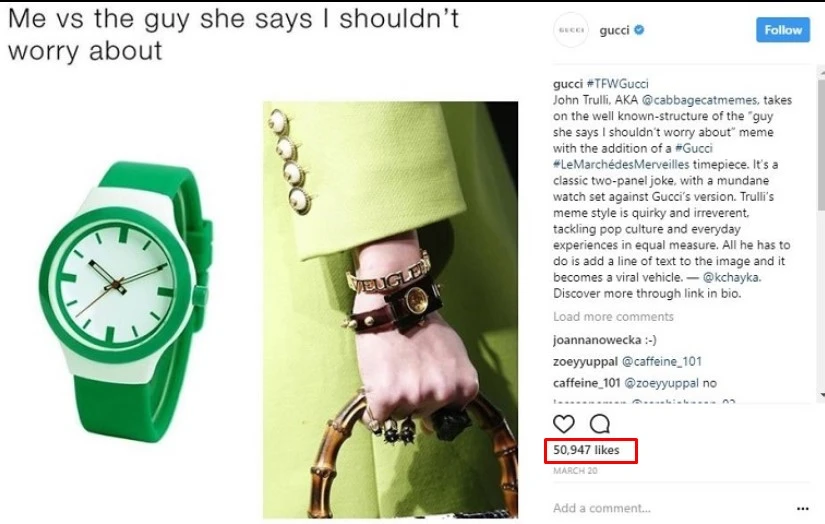
(Company: Gucci)
Industry: Fashion
Source: Gucci Instagram
- McDonald’s
McDonald’s used humor and self-awareness to engage fans by joining an ongoing online joke about its McFlurry spoon.
Take-away: The meme worked because it was relatable, simple, and perfectly aligned with online culture. It showed the brand’s ability to laugh at itself while sparking nostalgic conversation and strong engagement.
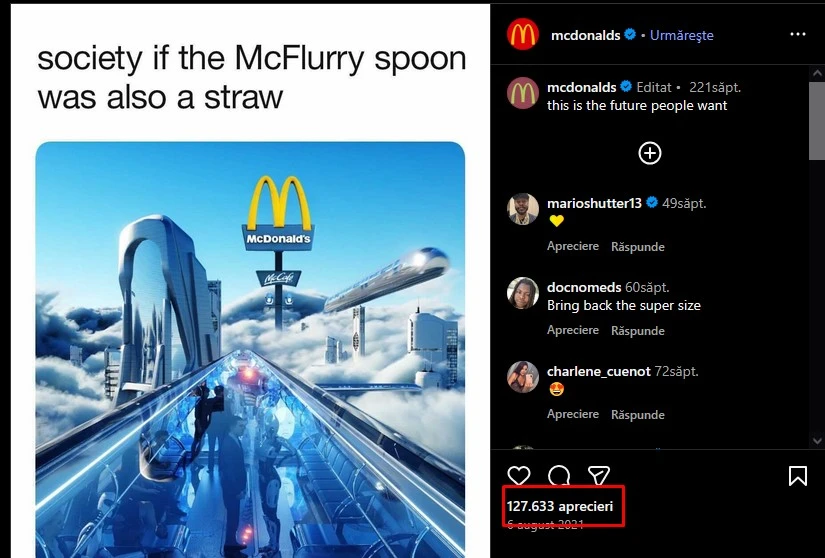
(Company: McDonald’s)
Industry: Restaurant
Source: McDonald’s Instagram
How to Create Memes for Free
Start by selecting a format that works best for your message, such as a short GIF, a video meme, or a simple image macro. Utilize free resources such as
- Adobe Express;
- Canva;
- Make meme;
- Imgflip
to edit well-known templates or upload your own photos with unique text.
Today, you can also create memes for free using AI tools. Platforms such as:
- Supermeme.ai lets you generate your first 10 AI memes for free;
- MemeGen.ai offers “free” meme creation with AI;
- Simplified’s AI Meme Generator allows you to start without design skills in its free version;
- Phygital+ offers a free AI meme generator online, with prompt-based creation.
However: don’t rely only on AI. Ensure the meme still reflects your brand tone, audience vibe, and remains culturally relevant. AI is a tool, not the strategy itself.
Final thoughts
Memes have the power to humanize a business, increase engagement, and fortify brand identity in ways that go far beyond conventional advertising techniques when used strategically.
But successful meme marketing involves more than just quick humor, it also needs timing, authenticity, and a thorough comprehension of the culture of the target audience. Successful brands maintain their authenticity, honor context, and strike a balance between creativity and purpose. Memes that encourage connection rather than just laughter, whether they are made by hand or with AI tools, are most effective.
In the end, meme marketing isn’t about chasing trends, it’s about becoming part of the conversation. Those who master that art turn viral moments into lasting brand relationships.If you want to learn how to integrate memes and other creative formats into a powerful digital strategy, discover our Content Marketing Services
References
- Internet meme definition → wikipedia.com
- What are your thoughts on Meme Marketing? → reddit.com
- Science Direct – Meme marketing effectiveness: A moderated-mediation model → sciencedirect.com
- Website Builder Expert – Meme Marketing: 15 Hilarious Meme Examples To Test for Your Brand → websitebuilderexpert.com
- Mailchimp – Meme Marketing: Harnessing Internet Culture to Drive Engagement → mailchimp.com